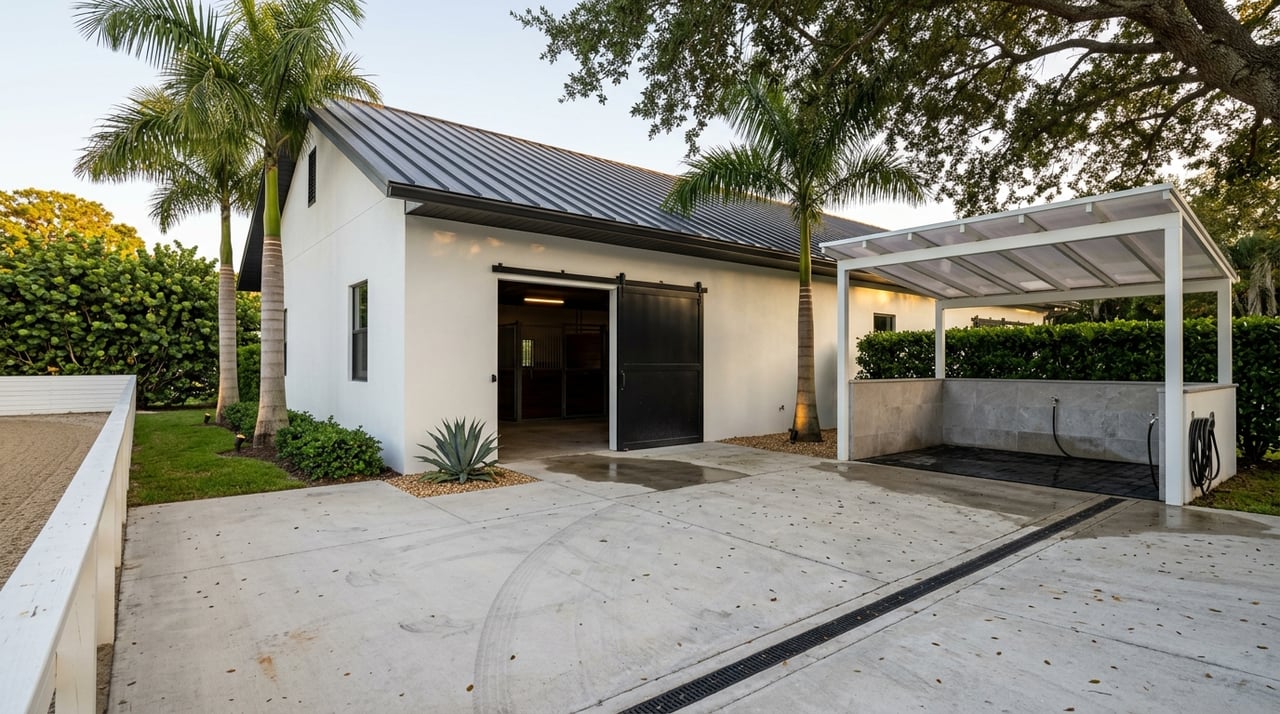
If you are shopping for horse property in Broward County, Southwest Ranches stands out for one big reason: buyers here often judge a home by how well the land works, not just how the house looks. That can feel exciting and a little overwhelming when you are comparing barns, paddocks, trailer access, and zoning at the same time. The good news is that once you know what buyers expect in this market, it becomes much easier to spot real value and avoid costly layout problems. Let’s dive in.
Why Southwest Ranches feels different
Southwest Ranches is built around a rural lifestyle in southwest Broward County, with predominantly residential home sites on one- and 2.5-acre parcels and zoning that is almost entirely rural residential and agricultural. The town also identifies itself with equestrian trails and a no-sidewalk setting that supports its rural character. In other words, horse functionality is part of the market identity, not a niche add-on.
That matters because buyers are often looking at a property as a small horse estate. They are not only asking whether the home is updated or the kitchen is large enough. They are also asking whether the lot can support daily horse care, riding, storage, and safe movement across the site.
Parcel size shapes buyer expectations
In Southwest Ranches, parcel size and zoning set the tone for what buyers expect. In the RR district, plots generally need at least two net acres or 2.5 gross acres, while the RE district generally requires at least one net acre, with limited exceptions for older lots of record. The RR district is specifically intended to protect very low-density rural neighborhoods centered on one-family dwellings, ranches, and related agricultural uses.
For you as a buyer, that means acreage is only the starting point. A parcel may sound large on paper, but its practical use depends on how the land is arranged and whether the site gives you enough open, usable area for horses. Buyers tend to value parcels that feel functional from the moment you drive in.
Usable land matters more than raw acreage
A horse property can lose appeal quickly if too much of the lot is tied up by awkward placement of structures, narrow access points, or fragmented open space. In this market, buyers often expect contiguous areas that can support turnout, riding, or future improvements without forcing everything into a tight corner.
That is why two properties with similar acreage can feel very different. One may offer smooth circulation, room for a barn, and clear open ground. Another may have the same lot size but far less practical equestrian use.
Barn features buyers want most
A basic barn structure is rarely enough in Southwest Ranches. Buyers usually want a barn that supports daily routines and helps the property function like a true horse setup. That often means the building needs to do more than provide stalls.
The town code recognizes a range of equestrian uses, including boarding, riding instruction, training, breeding, and guided or unguided horseback riding. It also allows storage of vehicles and equipment used for agricultural or equestrian purposes on the same plot. As a result, buyers often expect barn areas to work as part of a larger operational system.
Stalls plus support space
Many buyers look for barn layouts that include:
- Stalls with practical access for feeding and turnout
- Tack storage
- Feed storage
- Wash space
- Room for daily horse handling
- Utility space near the barn for equipment and supplies
In this market, function usually wins over decorative outbuildings. A beautiful structure may still fall short if it lacks the space needed for everyday horse care.
Arena and turnout space are high priorities
Open ground is one of the most important features buyers expect in Southwest Ranches. The town’s irrigation code specifically includes equestrian riding rings, paddocks, and livestock arenas within its definition of an athletic play area. It also notes that large turf areas used for livestock and equestrian purposes may use permanent species suitable for the county rather than sod.
That supports what many buyers already want: a property with enough continuous land for turnout, schooling, or arena use. Decorative landscaping may look polished, but it does not replace a practical riding ring or usable paddock space.
Look for contiguous, flexible space
Buyers often respond well to parcels where the open area is easy to understand at a glance. They want to see where a horse can move, where an arena could fit, and how the land supports everyday routines. A site with obvious flexibility tends to feel more valuable than one where the open space is broken up.
If you are comparing properties, ask yourself whether the lot gives you room to use it now and adapt it later. That kind of flexibility is often a major selling point in this market.
Trailer access and circulation matter
One of the most overlooked features on horse property is access. Southwest Ranches code allows a service driveway to provide access to rear or side accessory uses, including an equestrian barn or storage structure for a boat or RV. On single-family and agricultural-use plots, the minimum spacing between two driveways on the same parcel is 20 feet.
For buyers, this translates into a simple question: can you move through the property safely and easily with a trailer, truck, or equipment? If the answer is no, the property may be less functional than it first appears.
Signs of a practical site layout
A strong equestrian layout usually includes:
- Wide drive lanes
- Clear turning room for trailers
- Direct access to rear barn or storage areas
- Thoughtful separation between home living space and work areas
- Enough open maneuvering space for equipment
Because required yards, setbacks, parking areas, and other required spaces cannot simply be reused for another purpose, layout planning matters. Buyers often favor properties where circulation has already been built into the site instead of forced into a tight footprint.
Storage should be permanent, not temporary
Horse properties need storage, and buyers in Southwest Ranches often expect that storage to be planned in from the start. The code allows agricultural and equestrian vehicles and equipment to be stored on the same plot, with no screening requirement for agricultural equipment and no quantity limit for that category. It also permits one shipping container as an accessory storage structure if it is screened from adjacent properties and rights-of-way, while portable storage units are generally prohibited as accessory structures outside the industrial district.
The practical takeaway is straightforward: buyers tend to prefer permanent storage solutions over temporary overflow setups. If a property depends on makeshift storage, it may feel less polished and less efficient.
What buyers want stored on site
Storage expectations often include space for:
- Horse trailers
- Farm or ranch equipment
- Feed and bedding
- Tack and riding gear
- Maintenance tools
- Utility vehicles used for the property
Well-planned storage can make the whole property feel more usable. It also helps buyers picture how the site will function day to day.
Trails add lifestyle value
Southwest Ranches is not only about what happens inside the property lines. The town’s parks and recreation materials describe open spaces, equestrian trails, and a broader commitment to preserving the rural lifestyle. The Parks, Recreation, and Open Space program includes pedestrian and equestrian multi-purpose trails, nature trails, and other outdoor recreation features.
Sunshine Ranches Equestrian Park references scenic wetlands and a nature trail, while Founders’ Trailside Park is described as connecting the County’s C-11 and Flamingo Road trails to the town’s comprehensive trail system. The town’s Greenways Map also shows conceptual future side-of-street greenway trails and trail connections. For buyers who value riding access, this trail identity can make a real difference.
Trail adjacency can influence appeal
Not every buyer needs direct trail access, but many horse-minded buyers see nearby trail connectivity as a major advantage. It supports the lifestyle that draws people to Southwest Ranches in the first place. A property that feels connected to that rural, trail-oriented setting may stand out more than one that offers acreage alone.
Site planning details buyers notice
The strongest equestrian properties in Southwest Ranches usually combine land, layout, and infrastructure in a way that feels seamless. Buyers often pay close attention to details that affect future use, not just current appearance. If you are buying or selling, these details can shape how a property is perceived.
Here are some of the practical questions buyers often ask:
- Can the barn be expanded without running into setback issues?
- Can a trailer reach the rear of the parcel easily?
- Is there enough contiguous open area for turnout or an arena?
- Are storage needs handled with permanent structures?
- Does the site feel easy to operate on a daily basis?
Accessory uses and structures are broadly allowed in the agricultural and rural districts, including outdoor storage and caretaker quarters, but required yards and setbacks still apply. Height limits also affect how outbuildings are designed and placed, which is one reason lower-profile barns and spread-out site plans are often more practical in this market.
What this means for buyers and sellers
If you are buying in Southwest Ranches, it helps to think beyond the house and evaluate the full working layout of the property. The best equestrian parcels usually offer enough land to function well, safe movement for horses and trailers, and infrastructure that fits local zoning. A property that checks those boxes is often easier to enjoy and easier to value.
If you are selling, it is worth understanding that buyers are likely viewing your home through a usability lens. They may be less focused on ornamental extras and more focused on how clearly the property supports horse care, riding, and storage. When a property’s equestrian function is obvious, it often makes a stronger impression.
In a market like Southwest Ranches, local knowledge matters because the value story is tied so closely to acreage, access, and rural use. If you want help evaluating an equestrian property or positioning one for sale, the Chad Bishop Group brings White Glove service, strong Broward County market insight, and a clear, responsive process from start to finish.
FAQs
What parcel size do buyers expect for equestrian property in Southwest Ranches?
- Buyers often expect acreage that aligns with local rural zoning, with RR plots generally requiring at least two net acres or 2.5 gross acres and RE plots generally requiring at least one net acre, subject to limited exceptions.
What barn features do Southwest Ranches equestrian buyers usually want?
- Buyers often look for more than stalls alone, including tack storage, feed storage, wash space, handling room, and nearby utility space for daily horse care.
Why does trailer access matter on horse property in Southwest Ranches?
- Trailer access matters because buyers want safe, easy circulation to rear or side barn and storage areas, along with enough turning room for trucks, trailers, and equipment.
Do equestrian buyers in Southwest Ranches care about arena and paddock space?
- Yes. Buyers often prioritize contiguous open ground that can support paddocks, turnout, riding rings, or livestock arenas rather than only decorative landscaping.
How important are trails to equestrian buyers in Southwest Ranches?
- Trails can add meaningful lifestyle appeal because Southwest Ranches emphasizes open space, equestrian trails, and broader trail connectivity as part of its rural identity.
What type of storage do buyers expect on Southwest Ranches horse property?
- Buyers typically prefer permanent, planned storage for trailers, equipment, tack, feed, and ranch tools instead of temporary overflow solutions.