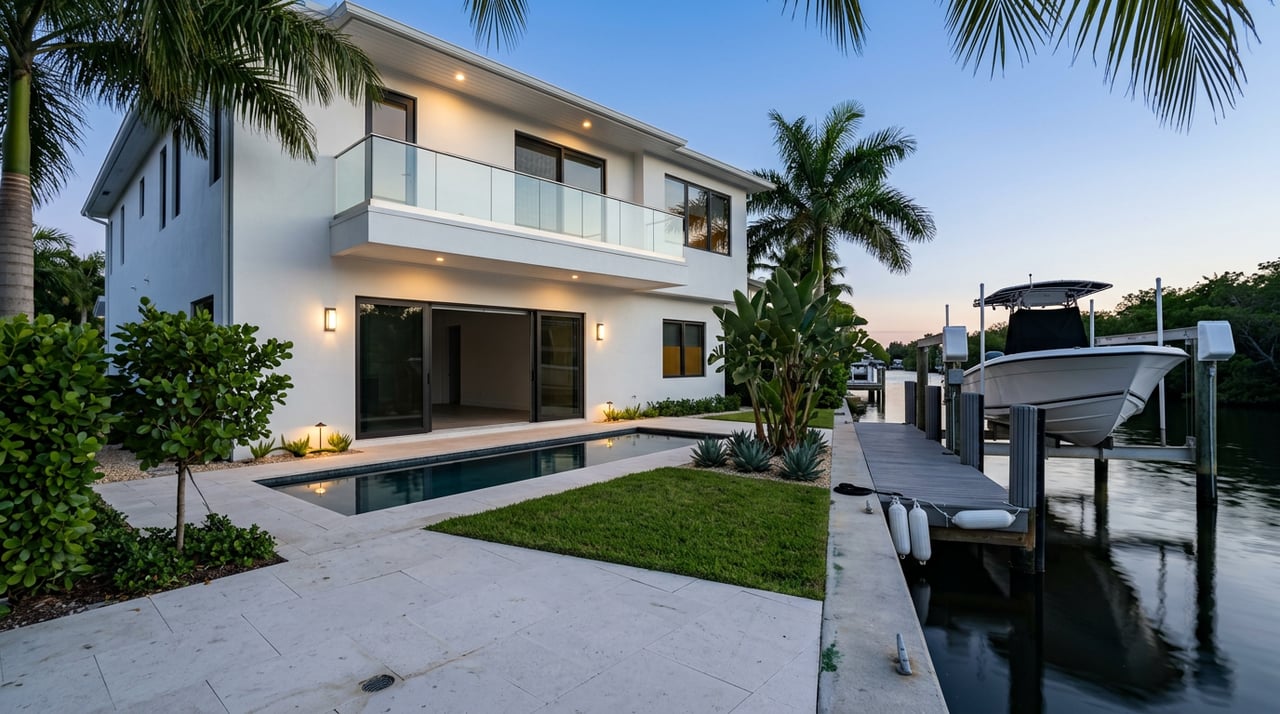
If your perfect morning starts with untying the lines and reaching open water in minutes, Lighthouse Point should be on your shortlist. The city’s canal network, close access to the Intracoastal, and quick run to the Hillsboro Inlet make life easy for serious anglers and cruisers alike. In this guide, you’ll learn how to match your boat with the right dock, understand bridge clearances and inlet conditions, and plan smart due diligence. Let’s dive in.
Why boaters choose Lighthouse Point
You get a dense grid of residential canals that connect directly to the Intracoastal Waterway and the Hillsboro Inlet. Many local facilities highlight how close they are to the ocean, like the “minutes to the inlet” positioning at PORT 32 Lighthouse Point Marina. That quick jump matters on fishing mornings and weather windows when timing counts. For most buyers, Lighthouse Point offers a blend of lifestyle, convenience, and true ocean access.
Your routes to the ocean
Hillsboro Inlet at a glance
Hillsboro Inlet is the closest and most-used exit for Lighthouse Point boaters. The inlet is dynamic, with shifting sand and shoaling that change over time. Before any passage, review the latest depth soundings and cautions posted by the Hillsboro Inlet District. Treat those charts as planning tools, then confirm conditions with official charts and Local Notices to Mariners the day you run.
Port Everglades as a deeper alternative
If you operate a larger or deeper-draft yacht, Port Everglades to the south offers deep federal channels and commercial-scale access. U.S. Army Corps documents discuss entrance channel depths authorized to much deeper dimensions, which can be helpful in certain conditions or for big-boat transits. To understand the scope of those channels, review the Port Everglades federal project material in the ERDC library.
Bridges and air draft basics
The SR A1A bridge at Hillsboro Inlet is a drawbridge with a closed vertical clearance of 13 feet. From 7 a.m. to 6 p.m., it opens on the hour, quarter hour, half hour, and three-quarter hour as outlined in 33 CFR 117.289. This matters if you have a towered sportfish or a masted sailboat. Always check the latest U.S. Coast Guard Local Notice to Mariners for temporary deviations, repairs, or closures, and be ready to call the tender for real-time status.
Depths and canal types in Lighthouse Point
Interior canals
Interior residential canals offer sheltered berths and back-yard convenience. They can also be tighter and shallower, which affects turning room and the usable window at lower tides. If your boat has a wide beam or deep draft, verify the fairway width, the depth at mean low water, and the canal entrance before you make an offer.
Wide and deepwater corridors
Wider waterways such as the South Grand Canal and other large fairways in areas like Venetian Isles and Kingfisher or Cap Knight Bayou are popular with owners of larger pleasure boats. Listings in these pockets often note “no fixed bridges,” which helps tall vessels, but you still need to plan for the inlet’s drawbridge schedule and inlet conditions. Focus on exact measurements, not just general “ocean access” language.
Docks, seawalls and permits
Know your slip dimensions
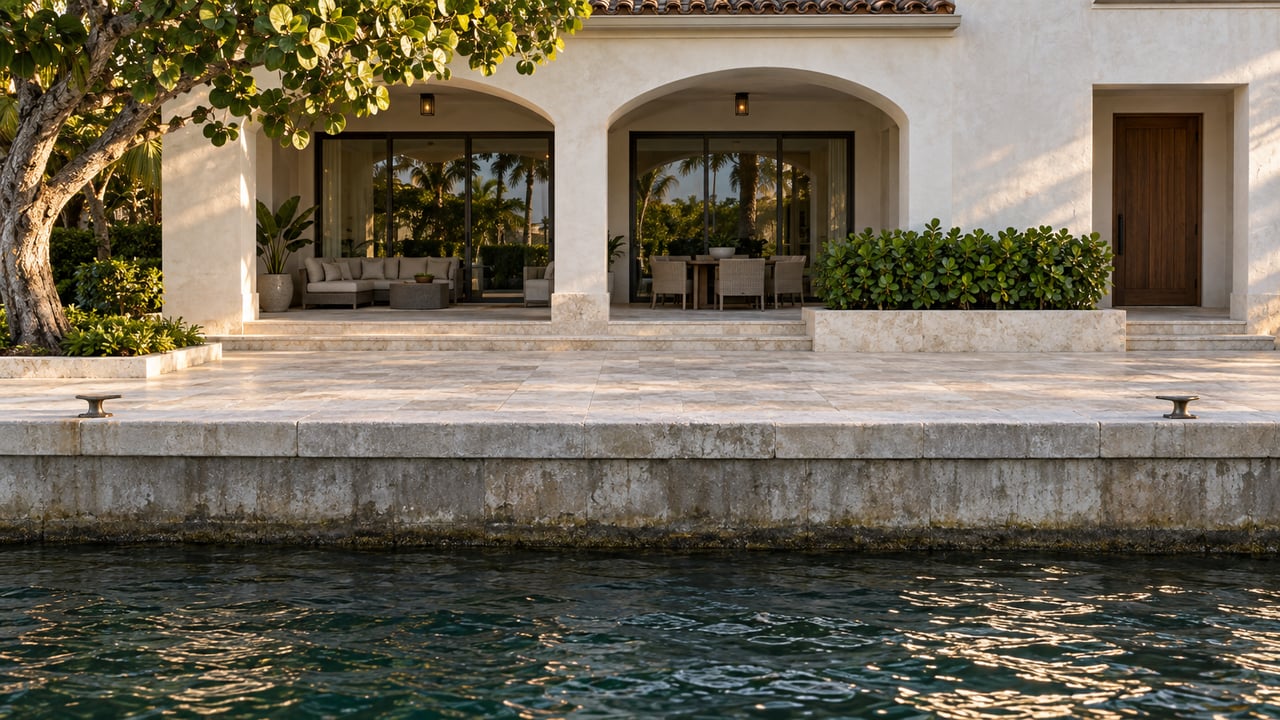
Berth geometry matters. Local facilities give helpful benchmarks when sizing up your own dock. For example, PORT 32 Lighthouse Point Marina lists wet slips to a maximum length of 80 feet with a 24-foot beam, and the Lighthouse Point Yacht Club Marina notes slip options from 20 to 120 feet. At a private residence, confirm usable dock length, piling spacing, and whether a lift can safely handle your boat’s weight and beam.
Permits and inspections
Do not assume a dock or seawall is fully permitted. The City of Lighthouse Point requires sealed plans, surveys, and inspections for dock and seawall work, and outside agency approvals may apply. During due diligence, request all documentation and compare it to the city’s dock and seawall permit checklist. If you plan upgrades, factor in permit timing and the potential for county, state, or federal review.
Seawall budget considerations
Seawall condition is a common deal factor on waterfront homes. Replacement or major repairs can be significant, and access constraints can affect cost and schedule. Bring in a licensed marine contractor or structural engineer early and get a written estimate before you finalize terms.
Lifts, haul-out and insurance
Many marine insurers in Florida expect a named-storm plan, and some offer credits for documented haul-out or storing on a fixed lift during hurricane season. Ask your agent about named-storm deductibles and any required haul-out agreements. For planning your checklist, review a practical storm-prep overview like this hurricane preparation guide for boat owners, then confirm specifics with your insurer.
8-step due-diligence checklist for buyers
- Confirm your exact route. Ask the seller to outline the path from the dock to the inlet and note any bridges along the way. Cross-check with official charts.
- Measure the berth against your boat. Verify usable dock length, piling spacing, and lift capacity. If a marina is your backup plan, compare your specs to their published limits.
- Get depth at mean low water. Request written MLW depths at the berth and canal entrance. For the inlet approach, consult the Hillsboro Inlet District’s current soundings and check the latest LNM.
- Check overhead clearance. Measure your air draft against the lowest bridge on your route and plan around the Hillsboro Inlet drawbridge schedule.
- Pull permits and records. Obtain dock and seawall permits, inspection reports, and any repair documentation from the seller and the City of Lighthouse Point.
- Order professional inspections. Use a marine surveyor for dock, pilings, and lift, and a structural or marine engineer for the seawall. Build permit timelines into your closing plan if you intend to modify anything.
- Confirm insurance and storm plan. Get quotes based on your intended mooring plan, lift use, and haul-out options. Ask about named-storm deductibles and documentation requirements.
- Check flood zone and elevation. Broward County offers interactive flood resources that affect insurance, building codes, and long-term planning. Start with the county’s flood map tools and resilience data.
Sample boating scenarios
- 32-foot center console. Most interior canals will work if you confirm MLW depth and fairway width. The inlet bridge schedule is rarely an issue for air draft, but always plan around inlet conditions and no-wake timing.
- 55-foot sportfish with a tower. Focus on wider, deeper canals and easy turning basins. You will likely rely on the inlet drawbridge to open, so plan departures around the scheduled times and monitor the latest LNM for any restrictions.
- 70-foot motoryacht. Private dockage may be possible on select wide canals if the berth, piling spacing, and depths support your specs. Keep Port Everglades’ deeper channels in mind for certain offshore runs or conditions, and consider marina options like Lighthouse Point Yacht Club as a supplement.
Final thoughts
Buying a waterfront home in Lighthouse Point is about matching your boat to the right dock, the right canal, and the right route to the ocean. When you pair precise measurements with current inlet and bridge intel, you get a property that truly fits your boating life. If you want a streamlined, white glove process with local expertise and global reach, connect with the Chad Bishop Group to start your search.
FAQs
Can I keep a 60 to 70 ft sportfisher at a private Lighthouse Point dock?
- Possibly, but it depends on the dock’s usable length and piling layout, MLW depth at the berth and canal entrance, and whether your route requires the inlet drawbridge to open for your air draft.
What does “no fixed bridges” actually mean in Lighthouse Point?
- It means there are no low fixed spans between your dock and the Intracoastal, which helps tall boats, but you still need to plan for the Hillsboro Inlet drawbridge schedule and changing inlet conditions.
How close is Lighthouse Point to the Atlantic for Bahamas runs?
- With Hillsboro Inlet nearby, many boaters plan 40 to 60 nautical miles to the northern Bahamas depending on boat speed and weather, making quick crossings practical when conditions allow.
Do I need permits to repair or add a lift or dock?
- Yes, the City of Lighthouse Point requires permits, sealed plans, and inspections for dock and seawall work, and outside agency approvals can apply, so gather documentation early in due diligence.
How do I check current inlet depths and bridge updates?
- Review the Hillsboro Inlet District’s latest soundings for planning and check the U.S. Coast Guard Local Notice to Mariners for real-time changes to depths, shoaling advisories, or bridge operations.