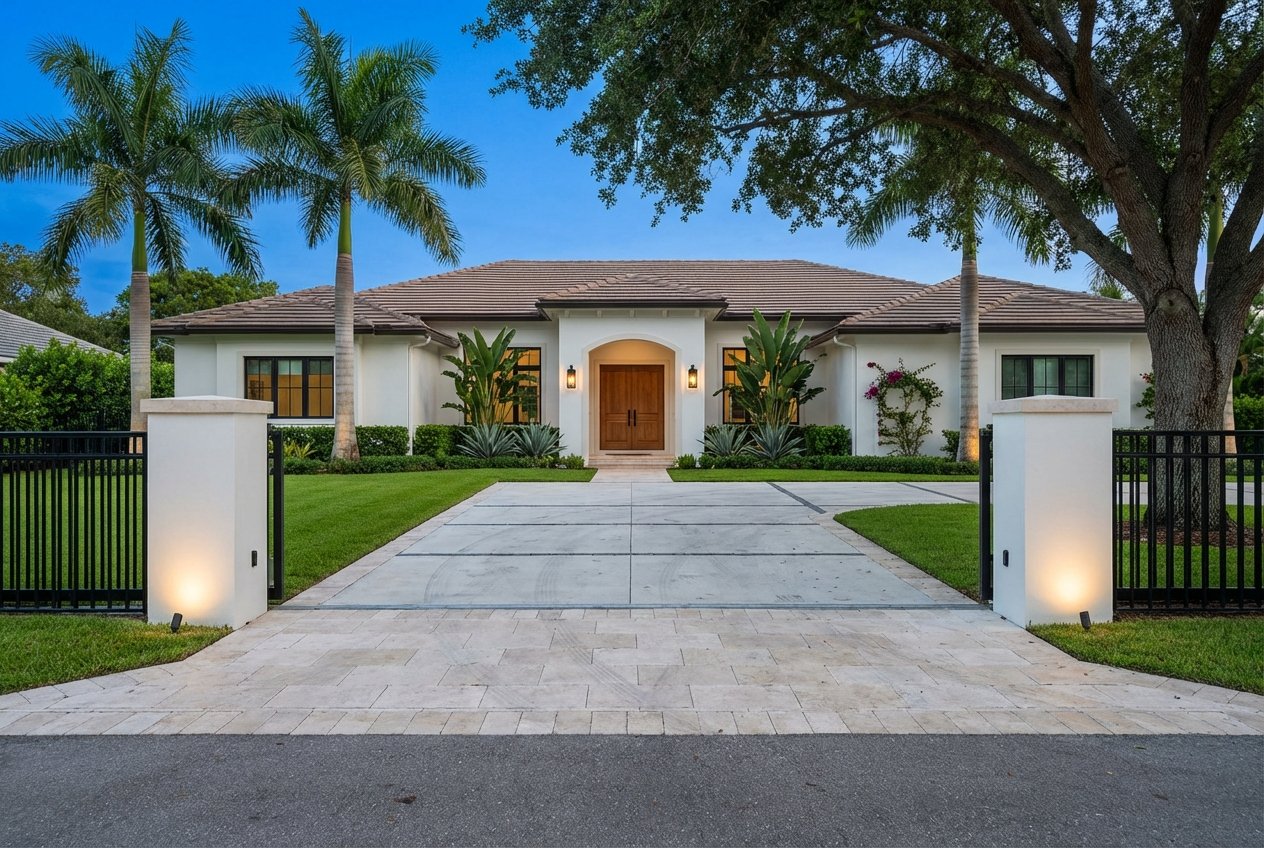
If you are exploring Parkland, you quickly notice something unique: the same city offers club-centered living, lakefront neighborhoods, classic suburban streets, and true acreage with room to spread out. With a population of about 39,700 and upper-tier home values, choosing the right neighborhood style can shape your daily life as much as the house itself. In this guide, you’ll learn how Parkland’s main community types compare on lots, amenities, rules, and lifestyle, plus what to verify before you buy. Let’s dive in.
The main neighborhood styles in Parkland
Country-club and master-planned living
These large, gated developments revolve around resident amenities and a strong social calendar. Think multi-building clubhouses, fitness centers, tennis and pickleball, lap and resort pools, and 24-hour staffed gates. Homes range from townhomes and smaller single-family residences up to custom estates, with lots that can vary from roughly 0.15–0.30 acres in denser sections to larger parcels in premium enclaves.
A prime example is Heron Bay, a guard-gated master plan with two major clubhouses and an active HOA infrastructure that publishes resources and resident information for transparency. You can browse the community’s official management site for a sense of programming and governance at the Heron Bay association portal. Parkland Golf & Country Club is another well-known option, built around a Greg Norman signature course and a robust Sports & Social Club; explore the amenities directly on the Parkland Golf & Country Club site.
Who it fits: You want on-site activities, organized kids’ programs, and a true “community hub” feel. You are comfortable with layered HOAs and architectural standards that help keep a consistent look and feel.
Lakefront planned neighborhoods
Newer lake-oriented communities center daily life around wide water views and modern amenity hubs. Streets are typically broad and landscaped, and many homes offer private pools and backyard lake frontage. HOA dues cover shared amenities like clubhouses, fitness, and pools; exact fees vary by address and sub-association.
Who it fits: You prefer newer construction, serene water views, and a family-focused, amenities-first environment without a private golf course component.
Family-focused suburban subdivisions
Established subdivisions offer classic single-family living on moderate lots, often about a quarter to half an acre. You will find neighborhood parks or small amenity islands and, in some pockets, sidewalks that make it practical to reach nearby public parks. These areas prioritize private yards and neighborhood streets over large-scale club programming.
Who it fits: You want a private yard, proximity to Parkland parks, and access to well-regarded public schools, but you do not need a full country-club environment.
Acreage, equestrian, and no-HOA estate areas
If you picture horses, hobby barns, and serious privacy, Parkland’s acreage pockets deliver. In areas like Pine Tree Estates and the Ranches/BBB Ranches, lot sizes of 1–3 acres or more are common. Many streets have no HOA, which can allow greater flexibility for outbuildings, RVs, or equestrian uses, subject to city permitting. Some properties rely on wells and septic systems, so plan for due diligence with the City and health department. City FAQs are a helpful starting point for utility and permitting questions; review the City of Parkland FAQ before you tour.
Who it fits: You want space, privacy, or equestrian potential and are comfortable trading shared amenities for land and flexibility.
Townhomes and smaller-lot options
For a lower-maintenance lifestyle or a more approachable entry price, Parkland also offers gated townhome clusters and smaller-lot single-family enclaves. Some are nestled within larger master-planned communities, giving you access to shared amenities with less yard upkeep.
Who it fits: You want lock-and-leave convenience, Parkland’s city services, and community security while minimizing exterior maintenance.
How to choose your best-fit neighborhood
Home type and lot size
Lot size affects what you can do outside and how the property lives day to day. In club communities, you often see smaller lots and HOA-managed common spaces. In acreage pockets, you manage more of the land yourself and have room for accessory structures, subject to local code.
Use a simple checklist:
- Confirm lot dimensions through county parcel data and survey.
- Ask whether the property is on municipal water/sewer or well/septic.
- Verify if accessory structures, fences, or equestrian uses are permitted.
Amenities and daily routine
Amenities change your daily rhythm. Club communities offer on-site fitness, swim teams, sports lessons, and social events that keep you close to home. Acreage areas emphasize privacy, outbuildings, and equestrian possibilities instead of centralized amenities.
Consider:
- Which amenities you will use weekly versus occasionally.
- Whether children’s or multigenerational programming matters.
- Your preference for on-site activities versus private space at home.
For a concrete sense of a club-style calendar, scan resources from Heron Bay’s community management or the Parkland Golf & Country Club amenities page.
HOA responsibilities, rules, and fees
In large gated neighborhoods, you may have a master association and a sub-association, along with architectural guidelines and exterior standards. Rental policies can vary by sub-community and may include caps or minimum lease terms. Fees vary widely by neighborhood and product type.
Before you commit:
- Request the full HOA disclosure package, budgets, and reserve studies.
- Review architectural rules for exterior changes and additions.
- Ask for current rental policies, guest access, and gate procedures.
Schools and family services
Public schools are a major draw in Parkland. Several local campuses, including Heron Heights Elementary, Park Trails Elementary, Riverglades Elementary, Westglades Middle, and Marjory Stoneman Douglas High, have been recognized as “Schools of Excellence.” You should always confirm current attendance boundaries, as districts can adjust maps over time. For recent recognition details, see local coverage of the Schools of Excellence designation.
Action steps:
- Check boundary maps with Broward County Public Schools for any address you are considering.
- Ask about magnet, charter, or special programs that may serve your needs.
Commute and everyday convenience
Parkland is primarily car-oriented. Many residents rely on the Sawgrass Expressway, US-441/SR-7, Florida’s Turnpike, and I-95 for regional access. Drive times can shift with rush-hour traffic and weather, so test your commute from a specific address at the times that matter most to you.
Checklist:
- Map your typical weekday routes to work, school, and activities.
- Time those routes during peak hours before you make an offer.
Flood risk and insurance
Broward County implemented updated FEMA flood maps that took effect in mid-2024. Flood zone status can influence insurance requirements and premiums, and it can vary by parcel even within the same neighborhood. Always run a property through the county or FEMA viewer and obtain an elevation certificate if needed. You can start with Broward’s official resources using the county flood map portal.
Due diligence:
- Confirm the current flood zone and any lender-required insurance.
- Ask the seller for prior insurance history and any existing elevation certificate.
Property taxes and carrying costs
With upper-tier home values, property taxes and special assessments can be a meaningful part of your monthly budget. The Broward County Property Appraiser site provides parcel lookups and an estimator tool to help you model your carrying costs. Check the BCPA site for parcel-level assessments and tax details.
Budget steps:
- Review the current assessed value and exemptions on the parcel.
- Use the tax estimator to compare scenarios based on your purchase price.
Quick snapshots of popular areas
Heron Bay
A 24-hour gated master plan known for two major clubhouses, tennis and pickleball, and active resident programming. Housing options span condos and townhomes to single-family homes and estates. Lots trend smaller than acreage neighborhoods, which keeps maintenance manageable while the amenities deliver a resort-like experience. Explore association resources at the official Heron Bay community portal.
Parkland Golf & Country Club
A private, gated community built around an 18-hole Greg Norman signature course and a large Sports & Social Club. You will find a range of product types, from attached villas to substantial estate homes. The lifestyle leans amenity-rich with extensive on-site programs. Preview the experience on the Parkland Golf & Country Club amenities page.
MiraLago
A newer, lake-centered master plan organized around Lake Majesty. Homes feature contemporary designs and many enjoy water views. Residents value modern amenities, family-focused programming, and the serenity of large water vistas.
Watercrest at Parkland
A planned lakefront community with a strong amenity center often referred to as the Pier House. Many homes back to wide water, and product skews to newer single-family designs. It appeals to buyers who want water views and a full suite of shared amenities without a private golf component.
Pine Tree Estates and acreage pockets
Known for 1–3 acre lots and a rural, equestrian-friendly character in many sections. Many homes highlight no HOA, which can allow RVs, barns, and outbuildings, subject to city rules. Expect to verify utilities, including potential well and septic systems, and plan for hands-on property management.
Cypress Head
A guarded, lake-centered community with large lots, often three-quarter to one acre or more. It offers neighborhood tennis, a clubhouse, and 24/7 security. This is a fit if you want estate-style privacy and mature landscaping within a gated setting.
Parkland Isles and smaller-lot enclaves
Townhomes and smaller-lot single-family homes offer lower-maintenance living. These areas can be a strategic entry into Parkland with access to city services and, in some cases, neighborhood amenities. They are practical for downsizers or anyone prioritizing convenience.
Your next steps in Parkland
- Define your must-haves: lot size, amenities, rules, commute, and school needs.
- Shortlist 2–3 neighborhood styles that match your lifestyle.
- Pull HOA documents for any community you are serious about, and confirm rules and dues.
- Run parcel checks for flood zone and taxes using the Broward flood map portal and BCPA.
- If you plan for horses, RVs, or outbuildings, verify permitting with the City of Parkland FAQ.
When you are ready to compare homes across Parkland’s styles, you will benefit from a team that knows the trade-offs on the ground, from club calendars to septic inspections. For tailored guidance and private showings, reach out to the Chad Bishop Group for a White Glove Consultation.
FAQs
What are the main neighborhood types in Parkland?
- Parkland offers five core styles: country-club/master-planned communities, lakefront planned neighborhoods, family-focused subdivisions on moderate lots, acreage and equestrian areas, and townhome/smaller-lot options.
How do HOAs in Parkland typically work?
- In large gated communities, expect a master HOA plus sub-associations, architectural guidelines, rental policies, and amenity fees; always request current documents and budgets before you buy.
Which Parkland areas offer larger lots or no HOA?
- Acreage pockets like Pine Tree Estates and the Ranches/BBB Ranches often feature 1–3 acre parcels and many streets without an HOA, subject to city permitting for uses like barns or RV storage.
Where can I confirm school options for a specific address?
- Check Broward County Public Schools for boundary maps and program options; you can also review local coverage of Parkland’s “Schools of Excellence” recognitions for context on area campuses.
How do I check flood risk for a Parkland home?
- Use Broward County’s official flood map portal to find the property’s current FEMA zone and consult an elevation certificate; insurance needs and premiums are property-specific.
What should I verify if a property has a well or septic system?
- Review the City of Parkland’s FAQs and permitting guidance, ask for maintenance records, and include well water and septic inspections in your due diligence.
What are typical carrying costs beyond the mortgage?
- Plan for HOA dues if applicable, property taxes, insurance, utilities, and maintenance; the Broward County Property Appraiser site offers parcel lookups and a tax estimator to model costs.