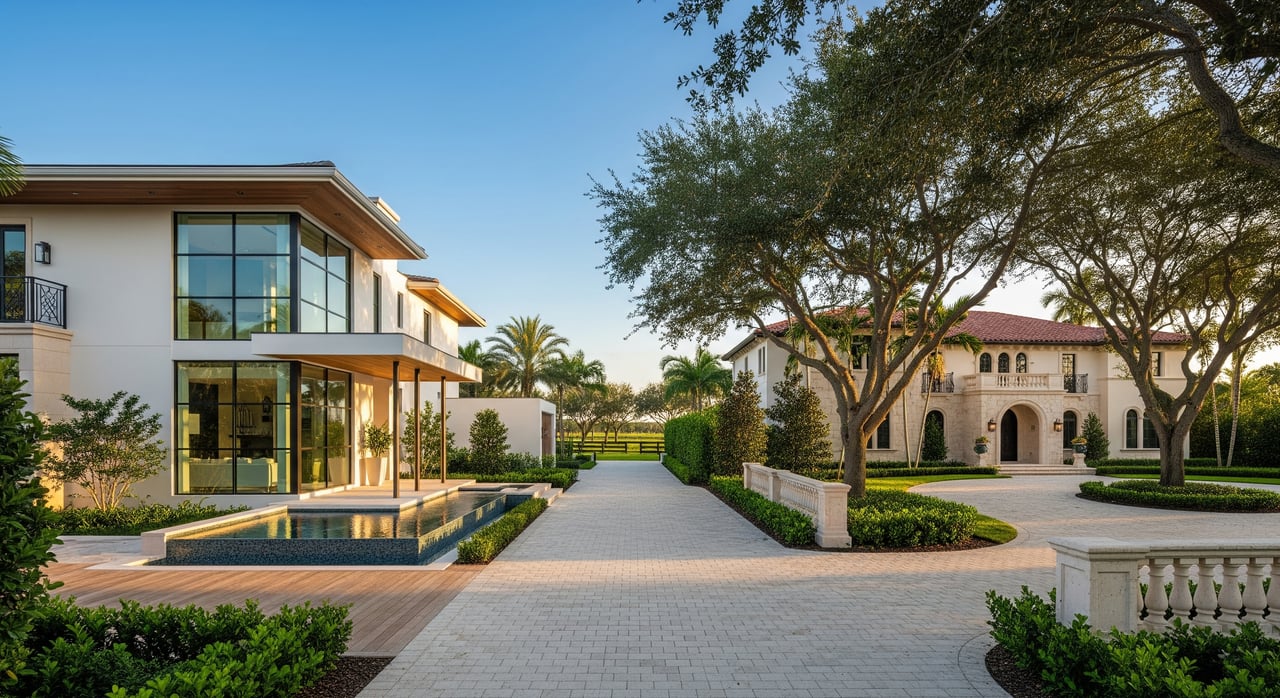
Should you buy a brand-new home in Parkland or choose a well-kept resale with character and an established neighborhood feel? It is a big decision that affects your budget, timeline, and long-term comfort. You want a clear picture of costs, codes, insurance, HOA rules, and resale value before you commit. This guide breaks down what matters in Parkland so you can move forward with confidence. Let’s dive in.
Parkland snapshot: what sets it apart
Parkland sits in northern Broward County. It is known for low-density neighborhoods, larger lots, and many gated, master-planned communities. You also see equestrian properties and golf-oriented lifestyles alongside newer suburban enclaves.
Demand here comes from people seeking space, privacy, and amenities, plus regional growth across South Florida. Building quality and storm readiness are key themes for local buyers. School assignments play a role in many decisions, so confirm zones through Broward County Public Schools.
For current data such as median prices, days on market, and inventory, pull the latest figures from the local MLS through a Parkland-area agent or association. You can also review parcel details with the Broward County Property Appraiser and check permit records with the City of Parkland Building Department.
New vs resale: quick comparison
New construction pros
- Modern code compliance for wind and structural resilience
- Current energy efficiencies and systems that lower near-term utility costs
- Contemporary layouts and finish choices, often with builder warranties
New construction cons
- Price premium per square foot and potential upgrade add-ons
- Longer, less predictable timelines tied to permits and weather
- Appraisal risk if nearby comparable new homes are limited
Resale pros
- Lower entry price and larger lots in established areas
- Faster closings with standard inspection and appraisal contingencies
- Opportunity to add value with targeted renovations
Resale cons
- Potential for deferred maintenance and system replacements
- May need upgrades to satisfy current code or insurance requirements
- Layouts may not match today’s open-concept preferences
Cost and value in Parkland
New construction usually costs more per square foot than older resales. The premium reflects modern design, updated systems, warranties, and developer margins. You can also see lot premiums, upgrade packages, impact fees, and landscaping allowances added to the base price.
Resale homes can provide a lower initial price and a larger lot. Budget for near-term expenses like roof or HVAC replacement, electrical or plumbing updates, and possible remediation if inspections uncover issues.
Be mindful of appraisal dynamics. New builds with many upgrades can appraise below contract if recent sales nearby are older resales without similar finishes. On the resale side, overpricing based on peak conditions can also lead to appraisal shortfalls.
Property taxes in Broward are based on assessed value through the Broward County Property Appraiser. New builds often see higher assessments after completion. Review estimates for taxes, HOA dues, and any special assessments before finalizing your budget.
Quality, codes, and design
New homes must comply with the current Florida Building Code. This can include impact-resistant openings, stronger roof-to-wall connections, and structural tie-downs that improve wind performance. Many new builds also use up-to-date insulation, efficient HVAC systems, LED lighting, and high-efficiency appliances.
Resale homes vary. Some have extensive renovations that match modern performance. Others may need upgrades for windows, roof attachments, or electrical systems to meet lender or insurance guidelines. Confirm the age and permit history of any major components and verify documentation for completed improvements.
Timeline and contract differences
New construction timelines depend on lot availability, permitting, and weather. Closings occur when the builder delivers a certificate of occupancy. Contracts may require larger deposits and staged payments. Many builder agreements limit changes after certain build stages and set specific warranty procedures.
Resale purchases follow a more predictable path. You negotiate repairs after inspections, complete the appraisal, and close on a standard schedule if all milestones are met. This often makes resales better if you need a defined move-in date.
Warranties and post-closing support
Builders commonly offer limited warranties. You may see coverage for structural elements over several years, plus shorter terms for systems and workmanship. The exact scope varies by builder and is defined in the contract. Warranty claims follow the builder’s process and may include arbitration clauses.
Resale homes do not include a builder warranty by default. You can negotiate for a third-party home warranty that covers some systems and appliances for the first year. Review coverage and exclusions to see if it fits your needs.
Financing and incentives
Buyers use conventional, FHA, VA, or construction-to-permanent loans for new builds. Spec and model homes may qualify for standard financing. Custom builds often require construction-to-perm with different underwriting and draw schedules.
Builders may offer incentives such as closing cost credits, rate buydowns, or appliance packages. Incentives affect your net price and cash to close, so weigh them against market comps. Appraisals depend on comparable sales. If the area has a limited number of new-build comps, valuations can be conservative.
Insurance and risk in Broward
Florida’s insurance market is complex. Premiums and deductibles can be higher than in many other states, and underwriting standards are strict. In Parkland, you are inland from the coast, which can reduce storm surge exposure, but you still need to consider heavy rain events, local drainage, and flood risk.
New construction often includes higher finished-floor elevations, updated drainage, impact-rated openings, and stronger roof assemblies. Older resales may require retrofits to qualify for preferred coverage. Check FEMA flood maps for the parcel and consider an elevation certificate if it is in or near a mapped flood zone. Keep documentation for any permitted upgrades. It helps during underwriting.
HOA, lifestyle, and schools
New homes in Parkland often sit within master-planned communities that offer clubhouses, pools, fitness centers, or golf. These amenities come with HOA dues and sometimes initiation fees. Architectural guidelines and design approvals are common.
Resales can fall within established HOAs with known budgets and reserves, or in areas with no HOA. Compare rules, fees, planned projects, and any recent special assessments. If school access is a priority, confirm assignments directly with Broward County Public Schools.
Resale value and long-term outlook
Parkland’s buyer pool favors larger lots, privacy, and amenity-rich communities. Liquidity depends on factors like lot size, community reputation, school assignments, and quality of construction. New builds often launch with premium pricing. Over time, resale value depends on location, craftsmanship, and how well the home fits local demand. Upgrades alone do not guarantee a stronger exit price if the home is overbuilt for the area.
Established resale neighborhoods with a strong track record offer clearer comparable sales for pricing and future planning. In newer subdivisions, keep an eye on the next rounds of sales to gauge market acceptance and appreciation patterns.
Buyer checklists
New construction checklist
- Verify builder track record, prior Broward projects, and warranty history
- Review the builder contract, deposit schedule, change-order pricing, dispute terms, timeline, and warranty scope
- Confirm lot details, including orientation, drainage plan, easements, setbacks, and any lot premium
- Select financing early, including construction-to-permanent if required, and discuss appraisal assumptions
- Request draft HOA rules, covenants, and the projected budget for amenities and reserves
- Schedule independent inspections at logical stages, including pre-drywall, mechanical rough-in, and final walkthrough
- Confirm permits, inspections, and that a certificate of occupancy will be issued before funding or move-in
- Estimate taxes, HOA dues, and any special assessments after the home is completed
Resale checklist
- Order a full home inspection and add specialty inspections if needed, such as roof, pest, mold, or structural
- Review seller disclosures, past permits, and documentation for completed renovations
- Confirm the age and remaining life of the roof, HVAC, water heater, and pool equipment
- Check for prior insurance claims through public records or insurer databases
- Verify flood zone status and obtain an elevation certificate if applicable
- Consider a one-year home warranty if the seller will not provide one
Seller checklist for Parkland
- Get a pre-listing inspection to catch issues that can derail negotiations
- Gather builder warranties, manuals, and HOA contact information, plus proof of any permitted upgrades
- Price with intent using recent, neighborhood-specific comparable sales in Parkland
- Disclose all material facts and permit history to reduce post-closing disputes
Next steps and local resources
Before you decide, line up the right information. For valuation and tax context, check the Broward County Property Appraiser. For permits and planning, contact the City of Parkland Building Department and Broward County Building Division. For flood zones, consult FEMA flood maps and consider an elevation certificate when needed. For the most current market data, ask a local agent for MLS statistics specific to your Parkland micro-market.
If you want a clear, organized path to either a new build or a resale, partner with a team that knows Parkland, understands Florida code and insurance issues, and can negotiate with both builders and private sellers. For a tailored plan and a smooth process from first tour to closing, connect with The Chad Bishop Group.
FAQs
What are the biggest cost differences in Parkland new vs resale homes?
- New builds carry a price premium and potential upgrade and lot fees, while resales often cost less upfront but may need system replacements or code updates.
How do Florida building codes affect my Parkland home choice?
- New homes meet the current Florida Building Code for wind and structure, while older resales may need upgrades to windows, roofing, or tie-downs for insurance or lending.
Will a new Parkland home lower my insurance costs?
- It can, due to modern construction and impact features, but premiums depend on many factors, including elevation, location, and insurer underwriting.
How long does a new construction purchase take in Parkland?
- It varies by lot, permits, and weather. Expect a longer, less predictable timeline than a resale, with closing after the certificate of occupancy is issued.
What should I review in a Parkland HOA before buying?
- Ask for rules, budgets, reserves, planned projects, and recent special assessments, then compare fees and restrictions to your lifestyle and budget.
How do I avoid appraisal gaps with a new build in Parkland?
- Keep upgrade costs in check, study nearby sales, and discuss appraisal assumptions with your lender and agent before finalizing selections.