Thinking about a move to Fort Lauderdale? The city offers more than beaches and palm trees. Where you choose to live can shape your commute, daily routine, and the kind of home that fits your lifestyle. This overview will help you compare Fort Lauderdale’s main residential zones so you can narrow your search with more confidence. Let’s dive in.
Fort Lauderdale at a Glance
Fort Lauderdale has an estimated population of 190,641 and covers 34.59 square miles of land. The city is widely known for its beach, 165 miles of inland waterways, the Riverwalk district, and Las Olas Boulevard.
For many people relocating here, that identity is a big draw. At the same time, Fort Lauderdale is not one uniform housing market. Your experience can look very different depending on whether you choose the beach, downtown, or an inland neighborhood.
The city’s mean travel time to work is 26.1 minutes. City transportation planning also notes that about 90 percent of commuters drive alone, which makes location an important part of your home search.
Why Neighborhood Choice Matters
When you relocate, you are not just choosing a home. You are also choosing how close you want to be to the ocean, how much you want to rely on your car, and what kind of surroundings feel right for your day-to-day life.
In Fort Lauderdale, one of the easiest ways to compare your options is by looking at three broad zones:
- Beachfront and Central Beach for ocean access and mixed-use coastal living
- Downtown, Las Olas, and Riverwalk for a more urban, transit-friendly setting
- Inland neighborhoods and nearby Broward communities for more residential streets and a wider range of housing types
That framework can help you focus your home search quickly, especially if you are moving from out of town and need a practical first-pass view.
Beachfront Living in Central Beach
If being near the ocean is your top priority, Central Beach is one of the clearest places to start. This part of Fort Lauderdale runs along A1A from Sunrise Boulevard to Harbor Drive and is strongly tied to the city’s beach lifestyle.
The city describes Central Beach as a high-quality public and private mixed-use area. It also notes that accommodations make up a substantial part of the housing stock, which helps explain why the area feels more tourism-oriented than many inland neighborhoods.
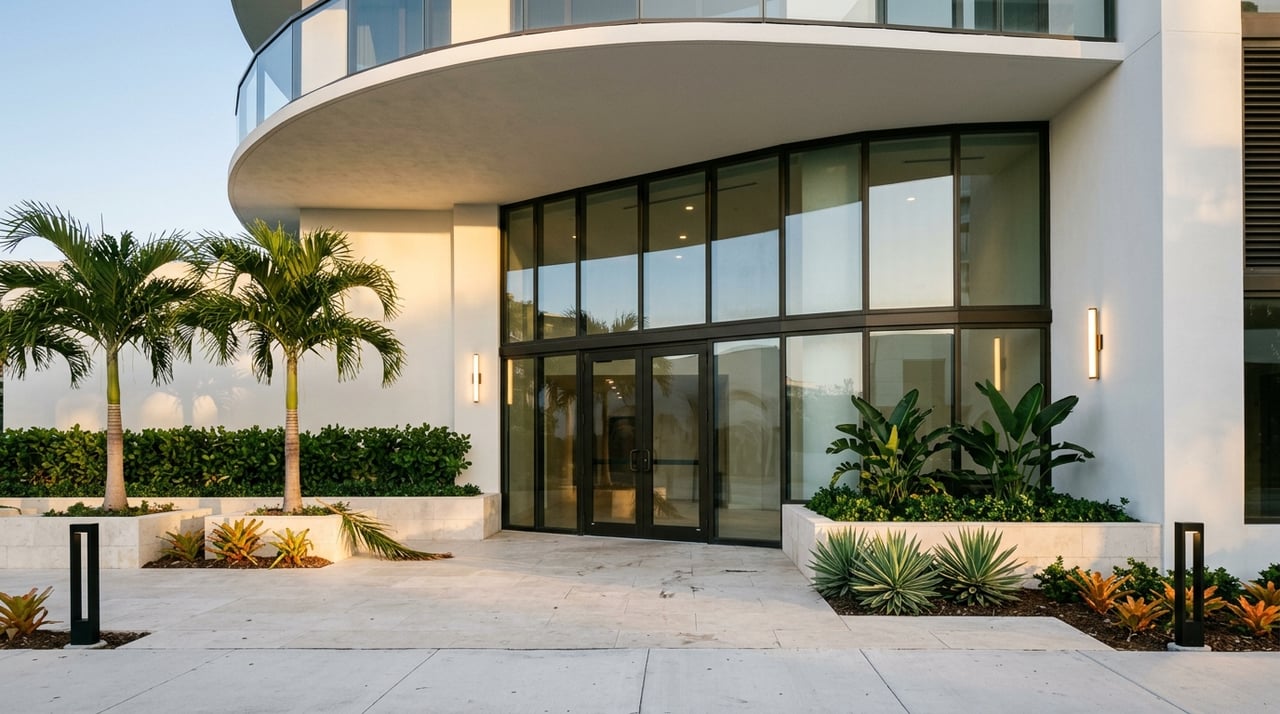
Recent development activity also points to a more vertical, compact setting. Projects in Central Beach include residential units, hotel rooms, retail and restaurant space, office space, event space, and marina slips.
What daily life feels like near the beach
Central Beach is built around easy access to the shoreline and public gathering spaces. Fort Lauderdale Beach Park and Las Olas Oceanside Park add to the outdoor appeal, and the broader area is part of Greater Fort Lauderdale’s 24-mile beach corridor.
If you enjoy a setting with a lot happening nearby, this area can feel lively and convenient. You may find that the tradeoff is a more mixed-use environment, with a built form that is less residential in feel than many inland parts of the city.
Who may prefer Central Beach
Central Beach may appeal to you if you want:
- Direct access to the beach and waterfront activity
- A compact, mixed-use environment
- A location tied closely to Fort Lauderdale’s coastal identity
- A home base that keeps oceanfront living front and center
Downtown, Las Olas, and Riverwalk
If you want a more urban lifestyle, downtown Fort Lauderdale stands out. City planning documents position this area as the city’s strongest example of transit-oriented development, with an emphasis on pedestrian-friendly design and a compact mix of housing, shopping, employment, and entertainment.
This part of the city also brings together many of Fort Lauderdale’s major destinations. The city identifies downtown as home to the Broward Center for the Performing Arts, the Museum of Discovery and Science, the Museum of Art, Old Fort Lauderdale Village and Museum, the Broward County Main Library, Broward College, Florida Atlantic University, and Las Olas Boulevard.
Las Olas Boulevard is described by the city as a centerpiece for fashion, fine dining, and entertainment. For many relocation buyers, that combination of convenience and activity is a major reason to explore this part of Fort Lauderdale first.
Transit and getting around downtown
Transit options are strongest in and around downtown. City transportation resources list Broward County Transit, Brightline, Tri-Rail, community shuttles, Water Taxi, and the Water Trolley as available options.
The city also notes that Brightline has a downtown Fort Lauderdale stop. Tri-Rail’s Fort Lauderdale Station offers free parking and Broward County Transit connections, and Broward County Transit says Route 1 serves Fort Lauderdale-Hollywood International Airport.
That does not mean you can live car-free everywhere in Fort Lauderdale. But if you want the best chance of a car-light lifestyle, downtown and parts of Central Beach are the most practical places to explore.
What housing tends to look like downtown
City planning guidance points toward mixed-use buildings, condos, and other higher-density housing formats in and around the downtown core. If you are picturing detached suburban lots, downtown may not be the most likely fit.
If you like the idea of urban convenience, nearby amenities, and stronger transit access, this zone often rises to the top of the list.
Inland Fort Lauderdale Neighborhoods
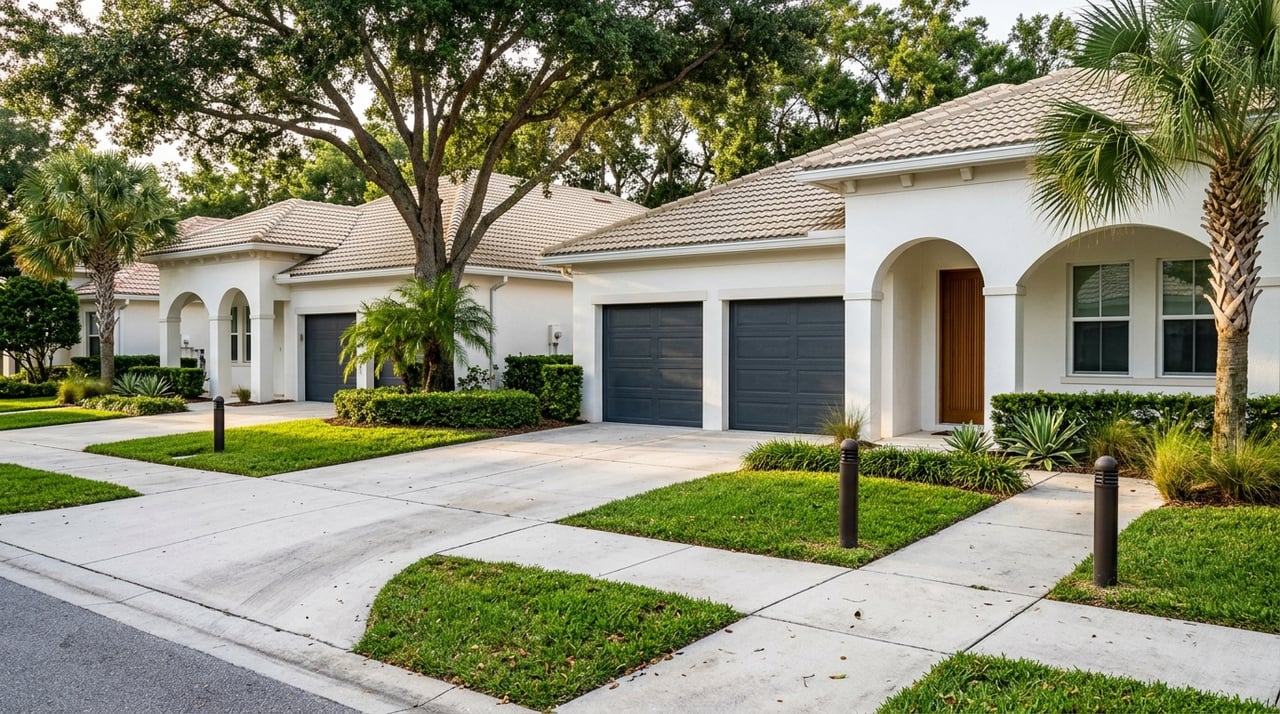
If you want a more residential setting, inland Fort Lauderdale offers a different feel from both the beach and downtown. The city’s neighborhood associations list includes areas such as Flagler Village, Tarpon River, Shady Banks, South Middle River, Victoria Park, and Downtown Fort Lauderdale.
These neighborhoods are not all the same, but together they show how varied the inland housing picture can be. This is often where relocation buyers find a broader mix of home styles, street patterns, and day-to-day living environments.
Victoria Park and South Middle River examples
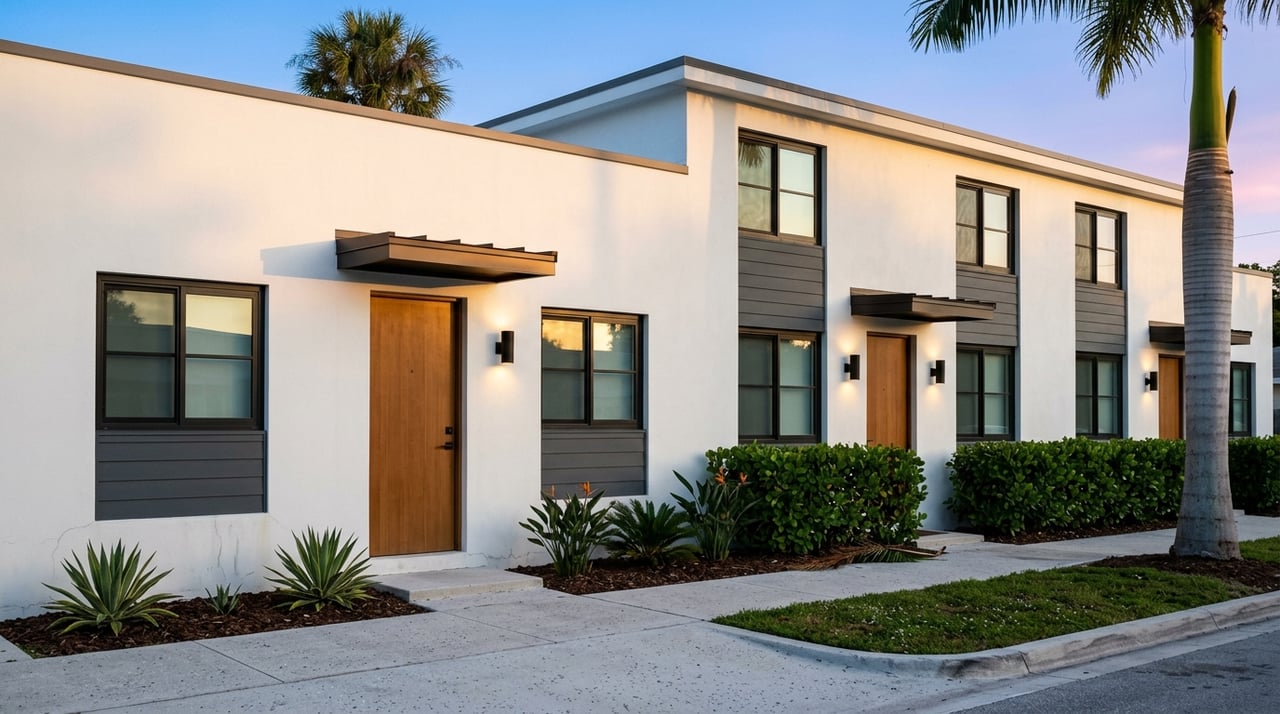
The city’s architectural survey describes Victoria Park as largely residential, with housing that ranges from free-standing single-family houses to three-story courtyard apartments. That range gives you an idea of how mixed an inland neighborhood can be.
The Central City Community Redevelopment Area describes South Middle River as mostly low-density single-family detached housing from the 1950s and 1960s. That points to a more traditional residential pattern compared with the vertical character of downtown and the beach.
Improvements to walkability and circulation
The city is also investing in neighborhood mobility in inland areas. Recent work in Shady Banks and Tarpon River includes new sidewalks, pedestrian lighting, raised intersections, and bicycle-pedestrian connections.
These changes support better walking, biking, and neighborhood connectivity. Still, because most commuting in Fort Lauderdale remains car-based, it is smart to weigh road access, parking, and your likely daily routes before choosing a neighborhood.
What inland neighborhoods may offer
Inland neighborhoods may be a good fit if you want:
- More residential blocks and quieter street patterns
- A wider mix of housing forms
- More separation from the beach and downtown activity centers
- A location where space and access need to be balanced carefully
Nearby Broward Options to Consider
Some relocation buyers start in Fort Lauderdale and then decide to compare nearby Broward communities as well. Greater Fort Lauderdale’s official cities-and-towns resources point buyers toward places such as Davie, Plantation, Oakland Park, Pompano Beach, Dania Beach, Wilton Manors, Lauderdale Lakes, Sunrise, and Weston.
This can be helpful if you want to compare Fort Lauderdale’s urban and coastal options with communities that may offer a different residential pattern. Expanding your search area can also give you a better sense of how much space, commute convenience, and neighborhood style matter most to you.
A Simple Way to Tour Fort Lauderdale First
If you are new to the area, a focused first tour can make the city easier to understand. Rather than trying to see everything at once, it helps to compare a few distinct zones side by side.
A practical first-pass tour often includes:
- Central Beach for oceanfront living and a mixed-use coastal setting
- Downtown, Las Olas, and Riverwalk for urban convenience and stronger transit access
- Inland neighborhoods like Victoria Park, Tarpon River, and South Middle River for more residential streets and a broader housing mix
This approach can help you quickly identify what feels most natural for your lifestyle before you narrow down specific properties.
How to Match a Neighborhood to Your Lifestyle
The best neighborhood for you depends on how you want to live each day. If you picture regular beach access and a lively coastal environment, Central Beach may deserve a close look.
If you want to be near cultural attractions, transit options, and the activity around Las Olas and Riverwalk, downtown may be the better match. If your priority is a more residential setting with varied housing types, inland Fort Lauderdale or nearby Broward communities may be worth stronger consideration.
As you compare options, it helps to think through a few practical questions:
- How important is beach access?
- Do you want to be able to walk to dining, shopping, or entertainment?
- How much do commute routes and parking matter to your daily routine?
- Would you prefer a compact condo setting or a more traditional residential block?
- Do you want to focus only on Fort Lauderdale, or compare nearby Broward cities too?
A thoughtful relocation plan starts with those lifestyle questions. Once you answer them, the map becomes much easier to read.
If you are planning a move to Fort Lauderdale, the right local guidance can save you time and help you compare neighborhoods with more clarity. The Chad Bishop Group offers White Glove service, local market insight, and relocation support to help you find the right fit across Fort Lauderdale and Broward County.
FAQs
Can you live car-light in Fort Lauderdale?
- In some areas, yes. Downtown and parts of Central Beach offer the best chance for a car-light lifestyle, but Fort Lauderdale overall remains largely car-dependent.
What transit options matter most for Fort Lauderdale relocation buyers?
- The most relevant options include Brightline, Tri-Rail, Broward County Transit, LauderGO community shuttles, the Water Taxi, and the Water Trolley.
What is Central Beach like in Fort Lauderdale?
- Central Beach is a mixed-use coastal area with strong ocean access, public parks, and a more vertical, tourism-oriented environment than many inland neighborhoods.
What is downtown Fort Lauderdale like for homebuyers?
- Downtown Fort Lauderdale offers a more urban setting with stronger transit access, mixed-use development, condos and higher-density housing, plus destinations around Las Olas and Riverwalk.
What inland Fort Lauderdale neighborhoods should relocation buyers explore first?
- A strong starting list includes Victoria Park, Tarpon River, and South Middle River because they represent more residential blocks and a broader mix of housing types.
Should you consider nearby Broward communities when relocating to Fort Lauderdale?
- Yes, if you want to compare Fort Lauderdale’s beach and downtown lifestyle with other Broward locations such as Davie, Plantation, Oakland Park, Pompano Beach, Dania Beach, Sunrise, or Weston.