Are you picturing a South Florida boating lifestyle that feels easy and livable, not rushed or resort-driven? If so, Lighthouse Point stands out for its calm residential setting, canal-lined streets, and direct access to the Intracoastal and ocean. Whether you are thinking about moving here or simply curious about what everyday life looks like, this guide will walk you through the rhythm of the city, from mornings at the dock to afternoons in the parks. Let’s dive in.
What Daily Life Feels Like
Lighthouse Point is a small Broward County city of about 10,500 residents with an established, mostly built-out footprint. The city describes itself as more than 95% developed, with mostly single-family housing and many homes along 18 miles of waterways. That gives the area a settled, residential feel rather than the constant churn you might expect in a more tourist-focused coastal market.
The layout helps shape daily life. On the east side, the city opens to the Intracoastal Waterway beneath the Hillsboro Lighthouse. On the west side, Federal Highway is where you will find much of the shopping and restaurant activity, which keeps the neighborhoods themselves feeling quieter and more home-centered.
This is not a beach-strip atmosphere. Lighthouse Point is better understood as a canal-and-Intracoastal community where boating, walking, biking, and neighborhood routines play a big role in how people spend their time.
Why Boating Shapes the Lifestyle
If boating is important to you, Lighthouse Point has a clear advantage. The city’s comprehensive plan says the Intracoastal Waterway runs the full length of Lighthouse Point and connects to the canal system at several locations, with the Hillsboro Inlet next to the southeastern part of the city. That setup supports one of the biggest lifestyle benefits here: convenient water access without giving up a residential setting.
Visit Lauderdale describes the city as offering direct ocean access for almost any size boat. For many residents, that means boating can be part of ordinary life, not just something reserved for occasional weekends or major outings.
In practical terms, the boating routine here often feels simple and frequent. You can picture a quick dock check in the morning, a short run through the inlet, or an easy afternoon on the water followed by a casual waterfront meal. The canal network and close access points support that kind of flexible schedule.
Quick Access Matters
One of the biggest differences in a boating community is how easy it is to get from home to open water. In Lighthouse Point, that transition is part of the appeal. You are not dealing with a lifestyle centered on trailering, hauling, or long setup times before you can enjoy your boat.
That convenience can influence how often you actually use the water. When access feels straightforward, boating becomes more woven into your weekly routine.
Marina Options Support Flexibility
PORT 32 Lighthouse Point Marina is one of the city’s active marina anchors. It is positioned minutes from Hillsboro Inlet, offers direct Atlantic access, and includes wet slips and transient reservations. It is also recognized as a certified Clean Marina.
That adds flexibility for people who want marina services nearby, whether they keep a boat regularly or need short-term options. For those who do not own a boat full time, the local tourism bureau also highlights charter boating in the area, including sportfishing and luxury-yacht outings.
Waterfront Homes and Ownership Realities
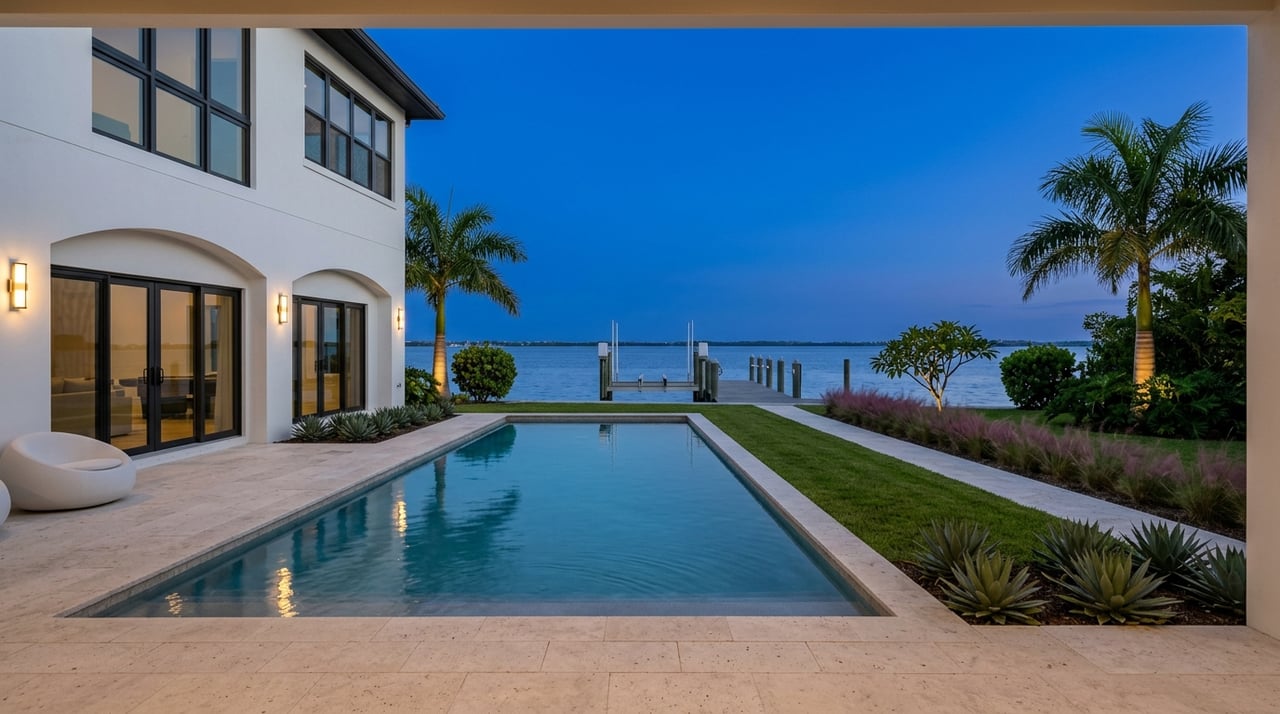
A big part of the Lighthouse Point lifestyle centers on waterfront homes, but it is important to understand what that really means. The city’s planning documents describe the canal system as man-made and bulkheaded. In everyday terms, many waterfront properties here are tied to seawalls, private docks, and managed shoreline edges rather than natural sandy frontage.
That setup creates a very practical kind of waterfront living. Your home may offer direct dock access and room for boating activity, but ownership also comes with maintenance responsibilities that matter long after closing day.
Docks, Seawalls, and Permits
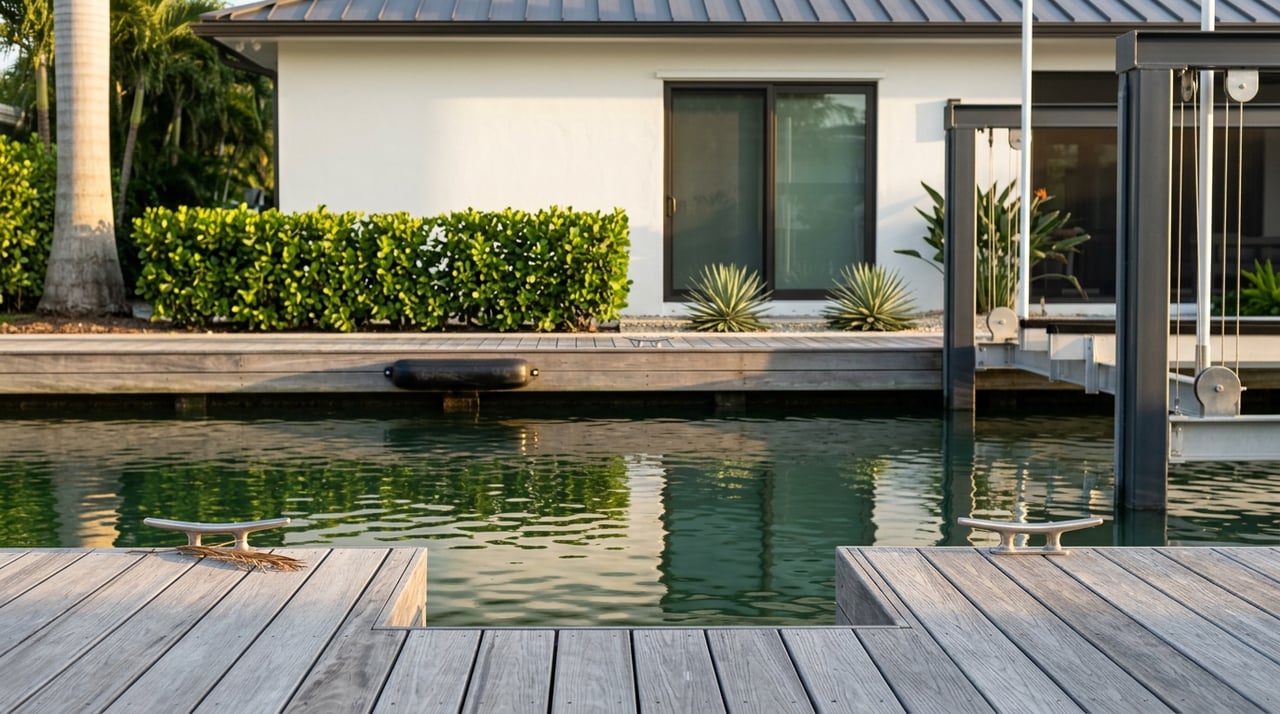
If you are considering a waterfront property, dock and seawall conditions deserve close attention. The city requires permits and supporting documents for dock work. According to the city’s FAQ, a re-deck or dock permit generally needs Florida DEP approval, a building application, survey copies, and signed and sealed drawings for a new dock.
The city code also regulates how docks can project based on canal width. It requires safety ladders and states that docks and pilings must be kept in safe condition. These are practical details, but they are central to what day-to-day waterfront ownership looks like.
Dockside Fueling Has Rules
Another point buyers should know is that dockside fueling is regulated locally. The city says mobile bunkering is allowed only through companies permitted by Lighthouse Point Fire Rescue, with annual permit renewal.
That may sound technical, but it reflects a broader truth about the area. Waterfront ownership in Lighthouse Point is about more than views and boat lifts. It also means understanding service access, maintenance, and local code requirements.
What You Do Off the Water
Even in a boating-focused city, not every hour is spent on the canal. Lighthouse Point has a strong outdoor routine away from the water as well. The city says residents have about 20 acres of parks and mini-parks, along with 13 miles of sidewalks and bike paths.
That helps create a lifestyle that feels active but relaxed. You can spend time outdoors without planning around major attractions, heavy crowds, or long drives.
Parks Add Everyday Convenience
Dan Witt Park is one of the city’s main recreational hubs. It includes lighted fields, courts, a pavilion, a playground, a refreshment stand, restrooms, and a community center. That makes it a practical part of everyday life for residents who want easy access to outdoor recreation and local gathering spaces.
Frank McDonough Park adds another layer with the Lighthouse Point Tennis Center, nine clay courts, a pro shop, and lessons. If tennis is part of your routine, that can be a meaningful quality-of-life feature.
Exchange Club Park offers a different setting as a 14-acre natural-environment area. Al Fletcher Park is more limited in use, with restrictions tied to police boat dockage and pram fleet use.
Walking and Biking Fit the City
Because the city includes miles of sidewalks and bike paths, simple activities like walking the neighborhood or taking a bike ride fit easily into the daily routine. That may not sound flashy, but it is one of the details that supports Lighthouse Point’s steady, livable feel.
For many people, that kind of consistency matters just as much as direct water access. It helps the city feel grounded and usable every day.
Dining Is Casual and Water-Adjacent
The dining scene in Lighthouse Point matches the pace of the city. It is more casual and local than high-energy and flashy. That works well for a boating lifestyle where a meal out might follow time on the water instead of being the main event.
Visit Lauderdale lists Nauti Dawg Marina Cafe as a dockside option on the Intracoastal, open for breakfast, lunch, and dinner. It also notes Cap’s Place Island Restaurant, where diners arrive by boat from the mainland and which is described as Broward County’s oldest restaurant.
The city also highlights other familiar local spots, including Papa’s Raw Bar, Seafood World, Bonefish Mac’s, Sicilian Oven, and Packy’s Sports Pub. Together, these choices reinforce the area’s low-key, neighborhood-centered character.
Who Lighthouse Point Often Appeals To
Lighthouse Point tends to appeal to people who want a residential waterfront setting with boating built into daily life. You may be drawn to it if you value direct access to the Intracoastal and ocean, but do not want to live in a resort-style environment.
It can also be a good fit if you like established neighborhoods and mostly single-family homes in a smaller city. With the area being more than 95% developed, the character feels mature and relatively consistent.
For some buyers, the biggest draw is the balance. You get a boating-oriented location, but you also get parks, bike paths, local dining, and a quieter residential identity.
What Buyers Should Keep in Mind
If you are exploring homes in Lighthouse Point, it helps to think beyond the postcard version of waterfront living. A smart search should consider both the lifestyle benefits and the practical details of ownership.
Here are a few points worth focusing on:
- Water access: Understand how the property connects to the canal system, Intracoastal, and Hillsboro Inlet.
- Dock setup: Review the dock’s condition, dimensions, and how it fits your boating needs.
- Seawall maintenance: Ask about age, upkeep, and any known repairs.
- Permit history: Confirm whether prior dock work was properly permitted.
- Neighborhood routine: Spend time in the area to see whether the quieter, residential pace fits your day-to-day lifestyle.
These details can shape how well a property supports the way you actually want to live.
Why Lifestyle Knowledge Matters in Your Search
In a market like Lighthouse Point, real estate is closely tied to how you spend your time. A home here is not just about square footage or finishes. It is also about canal access, dock usability, outdoor habits, and whether the city’s calm rhythm matches what you want from South Florida living.
That is why local guidance matters. When you understand both the appeal and the practical side of the boating lifestyle, you can make a more confident decision and narrow in on the right fit faster.
If you are considering a move to Lighthouse Point or thinking about buying or selling a waterfront home, the Chad Bishop Group can help you navigate the market with White Glove service, clear guidance, and local insight tailored to your goals.
FAQs
What is daily life like in Lighthouse Point, Florida?
- Daily life in Lighthouse Point is typically calm, residential, and outdoor-oriented, with boating, walking, biking, parks, and casual dining playing a central role.
Is Lighthouse Point a good place for boating?
- Lighthouse Point is known for boating access, with 18 miles of waterways, connections to the Intracoastal Waterway, and proximity to Hillsboro Inlet for direct ocean access.
What kind of waterfront homes are common in Lighthouse Point?
- Many waterfront homes in Lighthouse Point are single-family properties along man-made, bulkheaded canals, often with seawalls and private docks.
What should buyers know about docks in Lighthouse Point?
- Buyers should know that dock work in Lighthouse Point is regulated by the city and may require permits, survey documents, Florida DEP approval, and signed and sealed drawings for new docks.
Are there parks and outdoor activities in Lighthouse Point?
- Lighthouse Point offers parks, tennis facilities, sidewalks, bike paths, playgrounds, and open recreational spaces that support an active day-to-day lifestyle off the water.
What is the dining scene like in Lighthouse Point?
- The dining scene in Lighthouse Point is generally casual and local, with dockside and water-adjacent options that fit the city’s relaxed boating lifestyle.