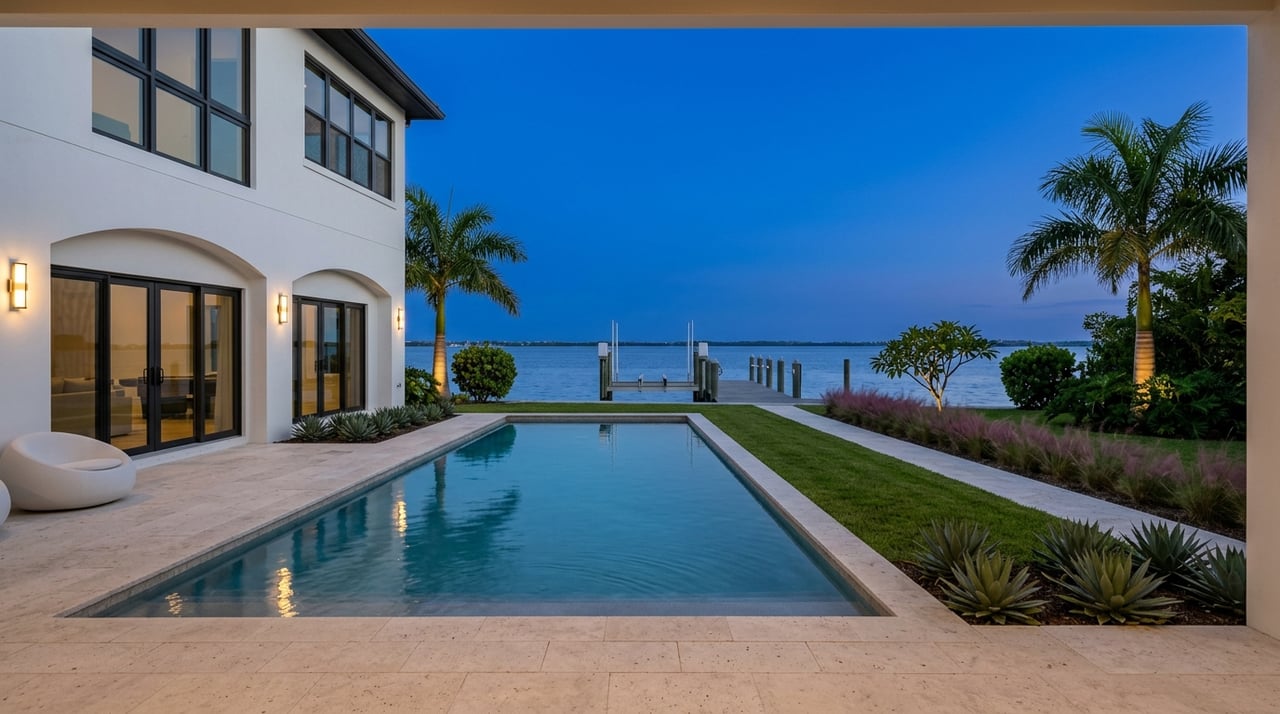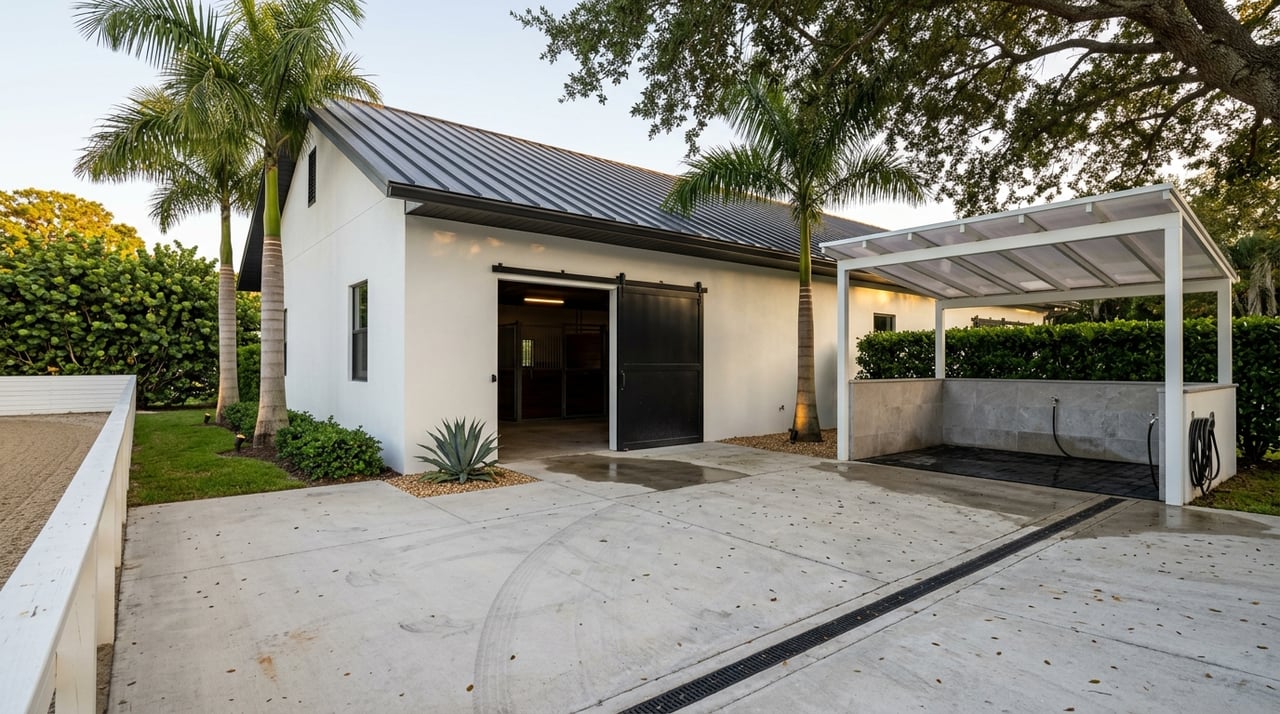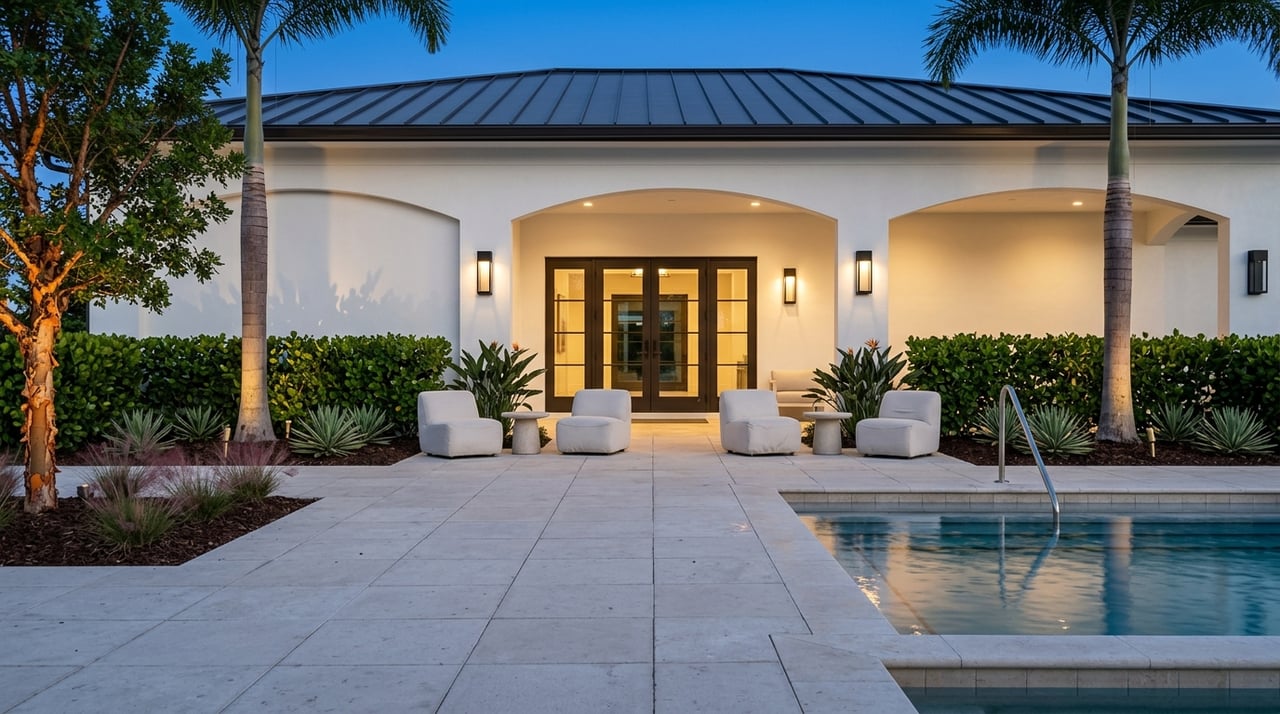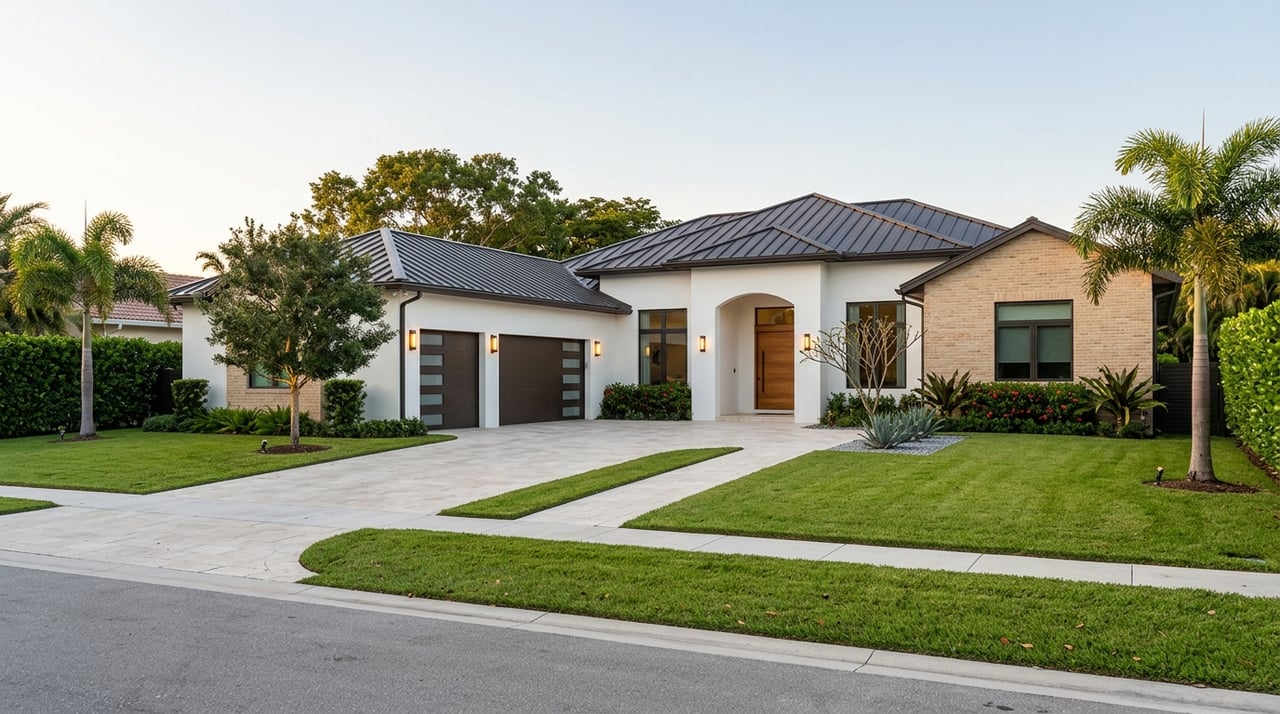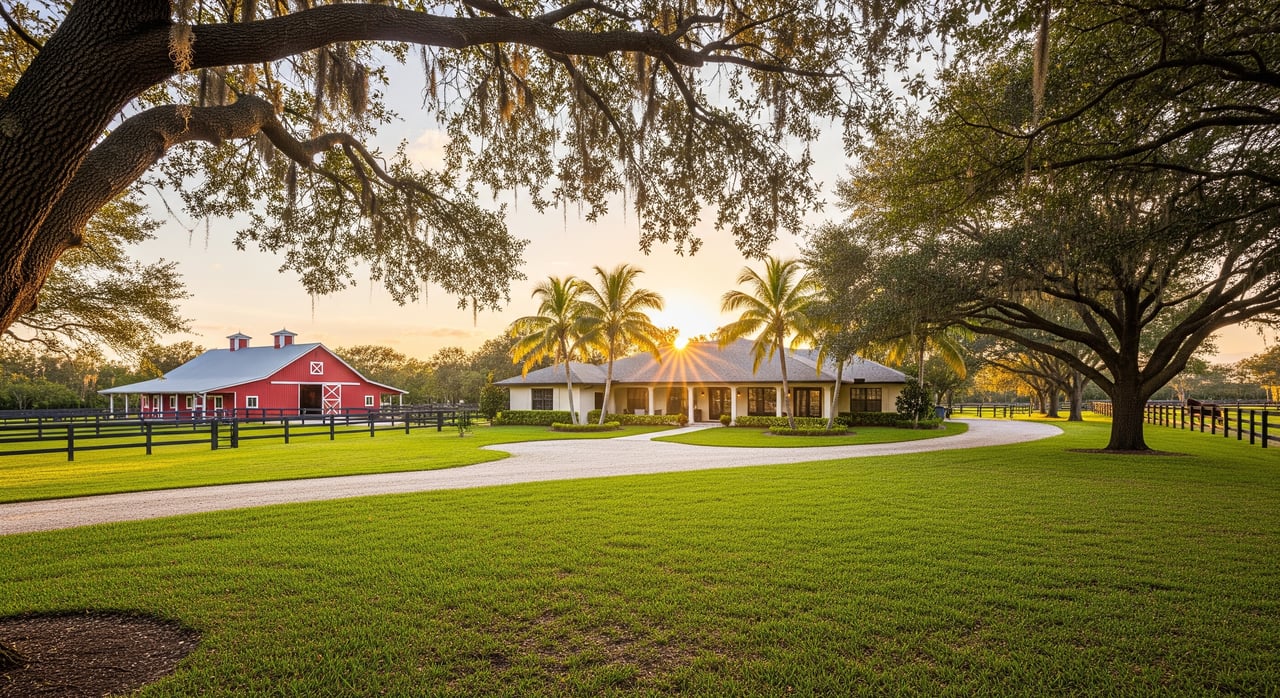
Picture yourself trotting under wide South Florida skies, then cooling off by your pool while your horses graze just steps away. If you want acreage, privacy, and true ride-out access without giving up a convenient commute, Southwest Ranches delivers. In this guide, you’ll learn how the town supports equestrian living, where you can ride, what property types to expect, and the key due diligence steps before you buy. Let’s dive in.
Why Southwest Ranches works for horse owners
Southwest Ranches was created to protect a rural, equestrian lifestyle. The town incorporated in 2000 with a mission to preserve low-density, horse-friendly living, a point noted in public materials and history sources. You see this in lot sizes, trails, and local policies that favor barns and open space. That focus sets it apart from many South Florida suburbs. You get land and a quieter feel while staying close to regional hubs.
Southwest Ranches spans roughly 13 square miles and had about 7,600 residents in 2020, according to federal data. You are within reach of major job centers in Fort Lauderdale and Miami, generally 15 to 25 miles depending on where you start and finish. The balance of space and access is a big draw for equestrian buyers.
- Learn more about the town’s background and location on the Southwest Ranches overview page. Source
- See population and area data in Census QuickFacts.
What makes Southwest Ranches equestrian
Zoning that supports horses
The Town’s Unified Land Development Code (ULDC) allows equestrian uses such as keeping, breeding, riding, and even certain commercial equestrian activities within agricultural and rural residential districts (A-1, A-2, RE, RR). These uses are allowed within specific standards and may require conditional approvals for commercial operations. The best first step is to confirm the current code and parcel-specific permissions with Town staff. You can reference an ordinance summary that addresses commercial equestrian uses to understand the framework before you call. See the Town ordinance document that outlines these provisions here.
Public equestrian amenities and trail access
Residents benefit from town and county riding options that extend your at-home experience:
- Sunshine Ranches Equestrian Park. This 20-acre town park offers a large show ring, a practice ring, trailer parking, wash rack, restrooms, a farm-themed playground, and about 10 acres of horse and nature trails. It serves as a community hub for local riders. Explore the facility details on the Town park page.
- Town parks and greenway links. Small parks and connectors tie neighborhoods to canal banks and regional trails, which helps you plan longer ride-outs without significant trailering. Review connections on the Town’s parks and greenways page.
- County riding network. Broward County operates several well-known parks that riders use for trail rides, lessons, camps, and schooling. Tradewinds Park & Stables, Tree Tops Park, and Markham Park are popular destinations within trailering distance. See county riding options and programs on the Broward Parks horses page.
Estate and horse property types you will find
Inventory changes often, but the land pattern is stable. You can expect a range of lot sizes and equestrian improvements. Pricing varies with acreage, location, and the quality of barns and arenas rather than bedrooms alone. Consider these common categories:
1 to 3 acres: estate lifestyle
If you want a primary residence with room for a private barn, paddocks, and perhaps a small arena, look for 1 to 3 acres. Many finished estates include pools, guest houses, and perimeter gates. Some parcels just under an acre allow horses, though these are less common. This band works well for owner-riders who keep a few horses on site and trailer to county parks for longer rides.
3 to 10 acres: working properties
These sites often include 4 to 12 stall barns, multiple paddocks, hay and equipment storage, trailer-friendly drive aisles, and a proper riding ring or round pen. If you plan to run a small training program or need more turnout, this is a sweet spot. Confirm whether your intended use is private or commercial because that affects approvals and operational rules.
10+ acres: training farms and investment acreage
Large holdings are less frequent, and they tend to trade at a significant premium. You may see multi-stall barns with staff quarters, training tracks, and formal infrastructure designed for higher capacity. If a property has wetlands or low-lying sections, usable acreage can differ from gross acreage, so surveying and environmental checks are key.
Price signals to keep in mind
Public listing portals and broker summaries often show a median home price in the low to mid seven figures for Southwest Ranches. Smaller move-in-ready estates and larger equestrian parcels regularly list in the multi-million-dollar range. Treat these as directional only since values change quickly with market shifts, acreage, and the quality of equestrian improvements. Cross-check current pricing with up-to-date MLS data before you set a budget.
Daily life and logistics for equestrian living
Most owners school at home and use paddocks for turnout, then trailer to parks like Tradewinds or Tree Tops for varied terrain and longer loops. The town and county parks also host clinics and community events, which adds a neighborly feel to a rural setting. This mix keeps your horses active and your routine flexible.
From a services standpoint, western Broward has a deep bench of equine pros. Farriers, mobile vets, feed and hay suppliers, and arena contractors are active in the Davie and Plantation corridor and serve Southwest Ranches regularly. If you plan to board or train commercially, talk with the Town and county about licensing and any additional rules that may apply. You can start with the Broward Parks horses page to get a sense of regional equestrian resources.
Zoning, permits, and site work: what to know
Southwest Ranches uses a contract model for plan review and inspections, which means your barn or arena build may involve Town reviewers, Broward County environmental staff, and local water control districts. Expect paperwork for tree removal, fill, driveway changes, and new structures. The Town’s permit guidance outlines who to contact and what to submit. Review the Town permit packet summary here so you can map your steps before you draft plans.
Zoning may allow horses, but the exact limits on stalls, setbacks, manure and arena drainage, accessory structure sizes, and commercial activity are spelled out in specific ULDC sections and conditional approvals. If the parcel has an HOA or CC&Rs, confirm any animal or structure limits there as well. You can reference the Town ordinance that addresses commercial equestrian uses as a starting point, then confirm current code text with the Town Clerk. See the ordinance summary here.
Flood, drainage, and storm planning
Many properties sit near canals or low areas. Always check the FEMA flood zone, the Town’s flood guidance, and, if needed, obtain an elevation certificate. Flood zone and elevation can affect insurance costs and design choices for arenas and barns. For official resources, use the Town’s flood insurance information and FEMA’s map service metadata.
South Florida’s hurricane season also calls for a clear livestock plan. Line up evacuation options in advance, verify trailer readiness, and store feed and water. Broward County publishes preparedness guidance that helps you think through supplies and timing. Review the county’s hurricane planning guide here.
Buyer due diligence checklist for horse properties
Use this list to move from interest to confident offer.
- Confirm zoning and permitted uses. Ask Town planning for a written summary of what your parcel allows. If you plan boarding, lessons, or training, clarify whether a conditional use or license is required. Reference the Town ordinance on commercial equestrian uses here.
- Pull the permit and plan history. Request records for barns, arenas, wash racks, and any outbuildings. Look for signed-off inspections and final approvals in addition to permits.
- Order a current survey. Map property lines, easements, canal or drainage features, and any wetlands. Use the Town permit packet overview to plan who to contact for reviews here.
- Check flood zone and elevation. Verify the FEMA designation and consider an elevation certificate for accurate insurance pricing. Start with the Town’s flood guidance page and FEMA’s map resources.
- Inspect arena base and drainage. Poor footing and water management are frequent sources of disputes. Confirm the section, slope, and materials, and ask about recent maintenance.
- Verify well and septic capacity. Many parcels use private wells and septic. Confirm locations, age, and capacity, and ask whether adding stalls or guest space triggers review or upgrades. The Town permit packet notes inter-agency checks that may apply here.
- Review any CC&Rs or HOA rules. If applicable, check animal limits, structure types and sizes, parking and trailer storage, and fencing standards.
- Plan for hurricane readiness. Confirm trailer availability, emergency contacts, and feed storage. Use county guidance to build your checklist here.
The lifestyle, simplified
Life in Southwest Ranches blends quiet mornings, private riding time, and quick access to regional trails. You can keep daily care on site, then change your scenery with a short trailer ride to Tradewinds, Tree Tops, or Markham Park. Sunshine Ranches Equestrian Park adds a local community touch, with rings, trails, and a place to meet neighbors who share your interests. Taken together, it is a rare setup in South Florida.
Ready to explore properties with confidence
When you shop equestrian estates, the details matter. Zoning letters, arena drainage, flood designations, and permit histories can change the value calculus. You deserve a clear, step-by-step process and local insight tailored to your goals. If you want white glove guidance on acreage, barns, and luxury finishes, connect with the Chad Bishop Group for a private consultation and a plan that fits your timeline.
FAQs
What defines Southwest Ranches as an equestrian community?
- The Town’s mission prioritizes a rural, horse-friendly lifestyle, with zoning that permits equestrian uses and a public amenity at Sunshine Ranches Equestrian Park, plus nearby county riding options.
Where can I ride horses near Southwest Ranches if I trailer out?
- Broward County parks like Tradewinds Park & Stables, Tree Tops Park, and Markham Park offer trail rides and programs; start with the county’s horses page for details.
What zoning and permits are needed for a barn in Southwest Ranches?
- Equestrian uses are allowed in agricultural and rural residential districts within ULDC standards; confirm parcel-specific allowances and permits with Town planning and see the ordinance summary on commercial uses.
How do flood zones affect horse properties in Southwest Ranches?
- Flood zone and elevation can influence insurance and site design for arenas and barns; check the Town’s flood guidance and consider an elevation certificate for accurate pricing.
Are wells and septic common on Southwest Ranches estates?
- Yes, many properties use private wells and septic systems; verify locations, capacity, and required reviews if you plan to add stalls, wash racks, or guest quarters.
How should I prepare horses for hurricane season in Broward County?
- Plan early by confirming trailer logistics, secure boarding options, and feed and water reserves; use the county’s published hurricane preparedness guidance to build your checklist.